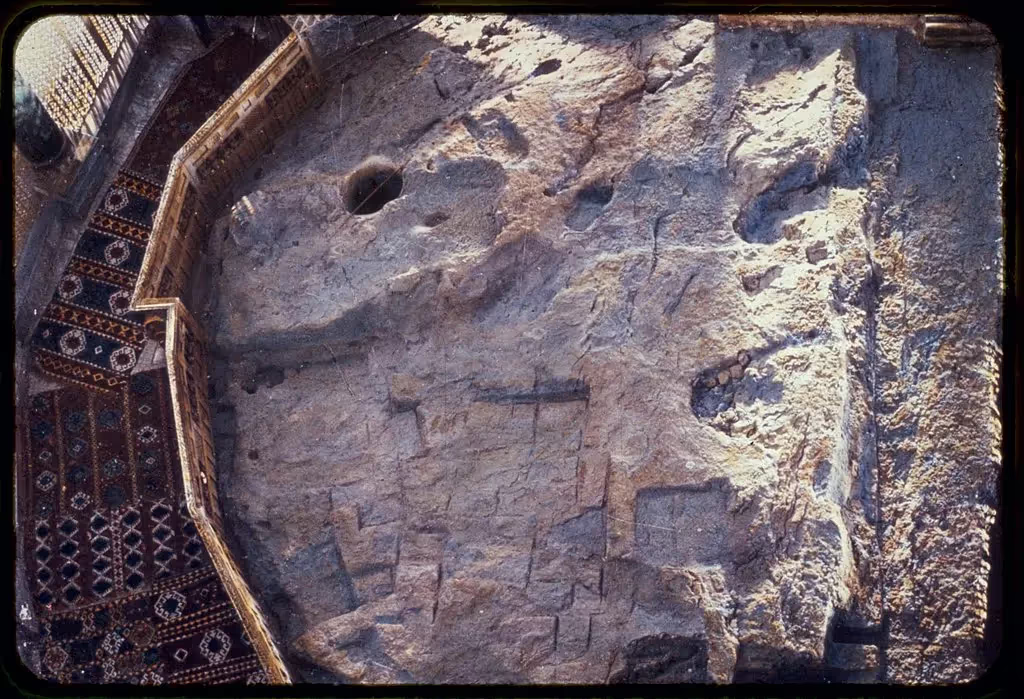
The Cairo Geniza
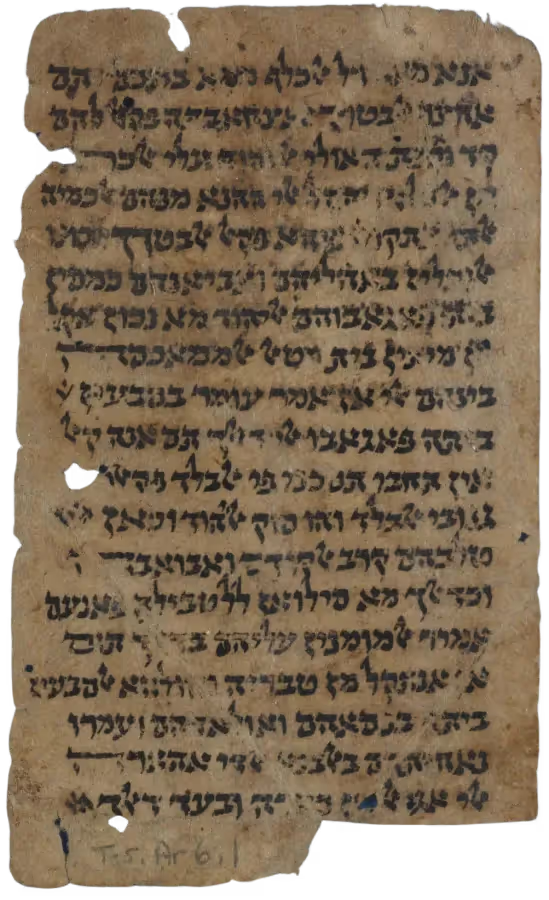
The most important source of information documenting the history of the Jewish community in the Land during the 6th-11th centuries CE comes from the Cairo Genizah. It is a cache of roughly 400,000 pages of manuscript material that accumulated in the genizah of the Ben Ezra Synagogue in Cairo, known in Biblical Times as Zoan and later on during medieval times as Fustat or Old Cairo.
The majority of the correspondence during these centuries is between the Jews in Israel and the Jewish community in Fustat. Most of what survived in the genizah is written in Hebrew script, as well as Judaeo-Arabic and Aramaic.
A Genizah is a sacred storeroom that, according to rabbinic law, stores books or old manuscripts that can no longer be used because they are too old, but may not be destroyed as they contain sacred texts, including the Tetragrammaton or the ineffable name of G-d.
The Jews of Fusṭāṭ, however, did not only store religious works but also secular and everyday documents, including shopping lists, marriage contracts, medical books, business accounts, and hundreds of letters.
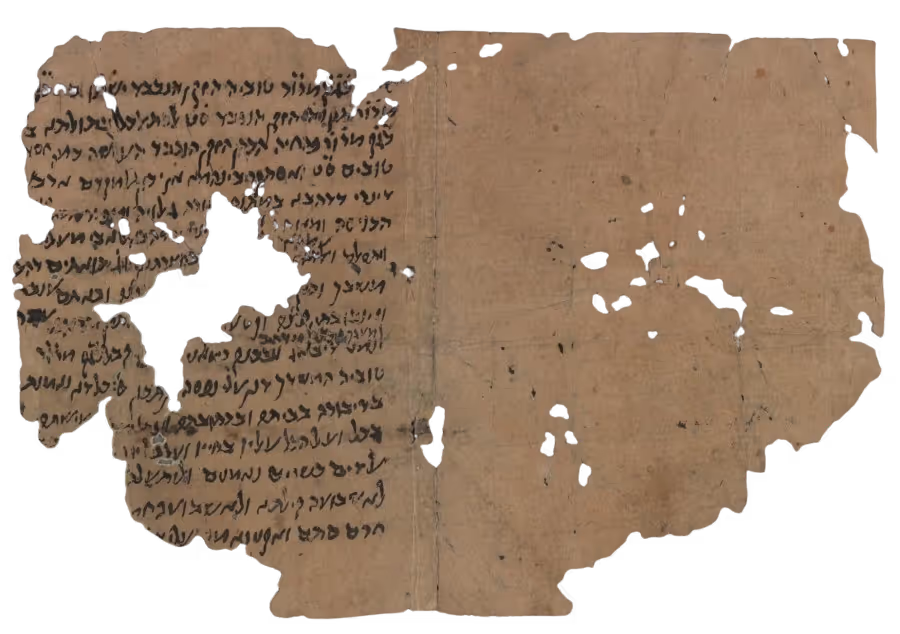

Overview
The most important source of information documenting the history of the Jewish community in the Land during the 6th–11th centuries CE comes from the Cairo Geniza. It is an archive of approximately 400,000 pages of handwritten material that accumulated in the worn storage repository for texts (Hebrew: genizah) of the Ben Ezra Synagogue in Cairo, known during the medieval period as Fustat or Old Cairo.
The geniza contains not only religious documents, but also secular and everyday records, including shopping lists, marriage contracts, medical books, business accounts, and hundreds of letters.
In the Bible

Life lessons

Humor

Advocacy

Fun fact

Antisimetism