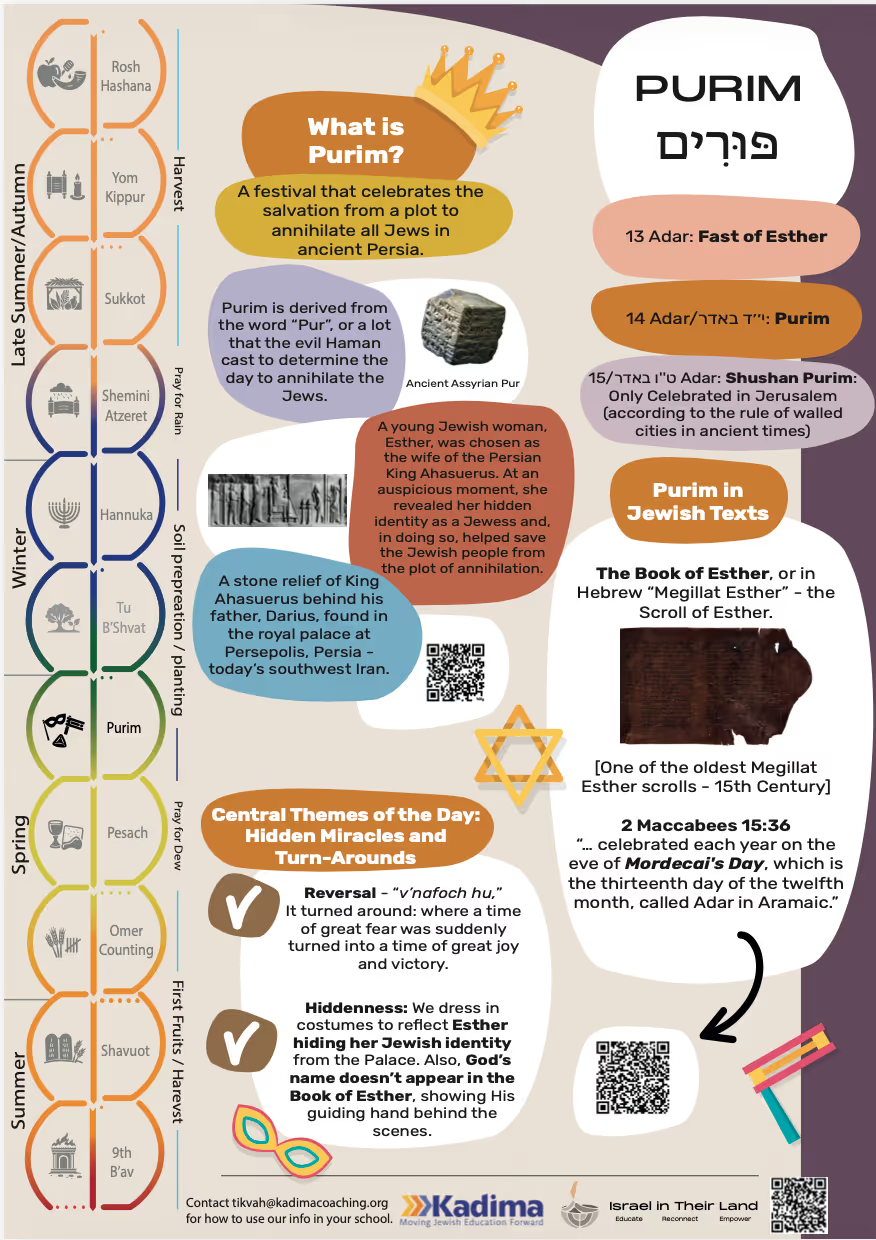


Purim
2) What is Purim?
The festival of Purim celebrates the salvation from a plot to annihilate all Jews in ancient Persia.
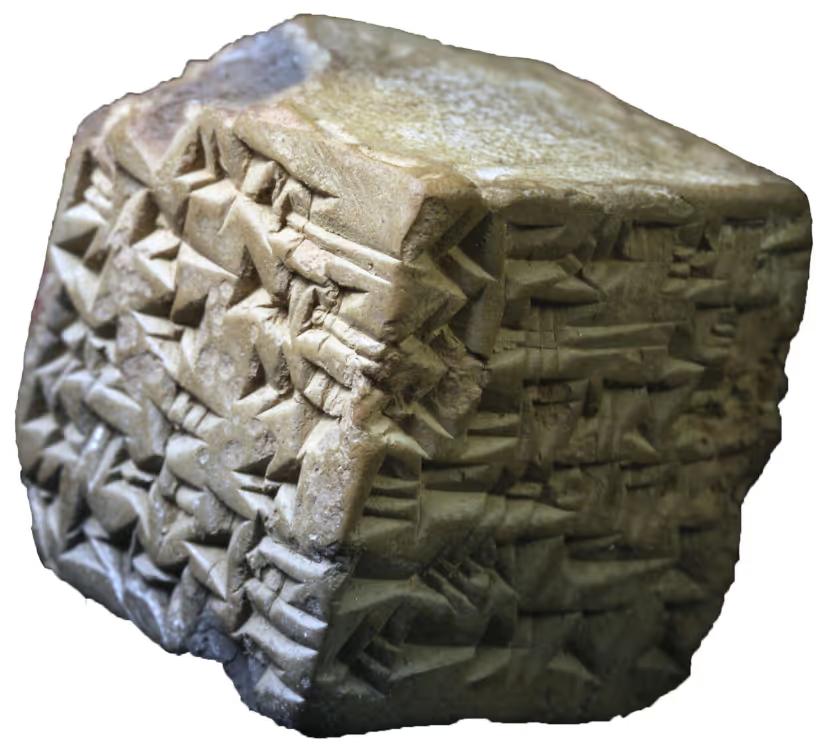
Purim is derived from the word “Pur”, or a lot that the evil Haman cast to determine the day to annihilate the Jews.
The Story in a Nutshell:
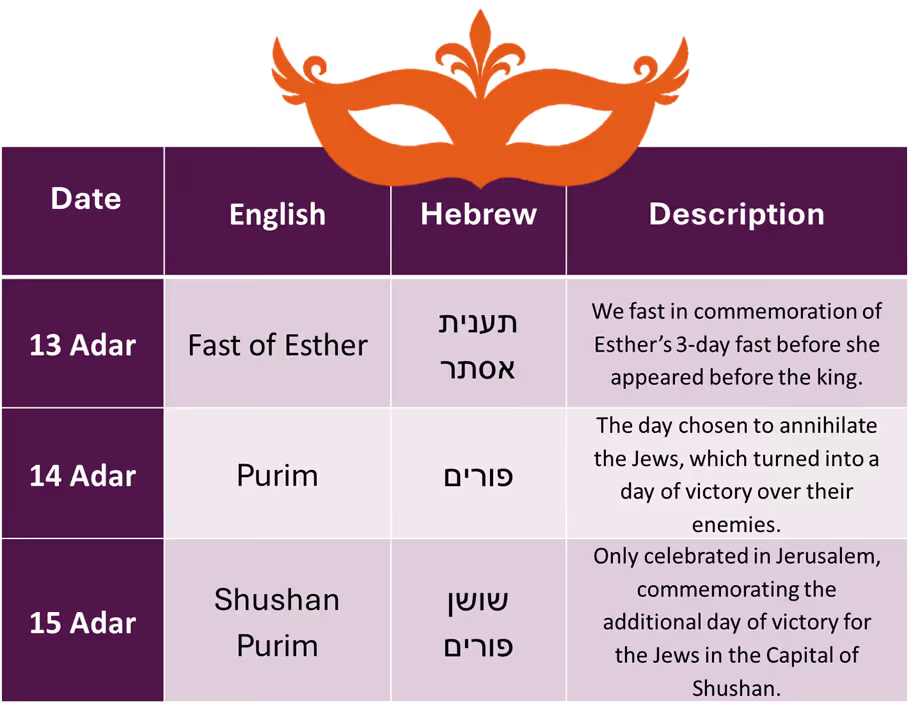
A young Jewish woman, Esther, was chosen as the wife of the Persian King Ahasuerus who ruled over 127 lands in the 4th century BCE. At the same time, Haman, the Amalekite and head advisor to the king, was devising a plan to destroy, kill and annihilate all the Jews, young and old, infants and women, in a single day. He rolled the “Pur” during the month of Nissan, and the lot indicated that the annihilation of the Jews should happen on the 14th of Adar.
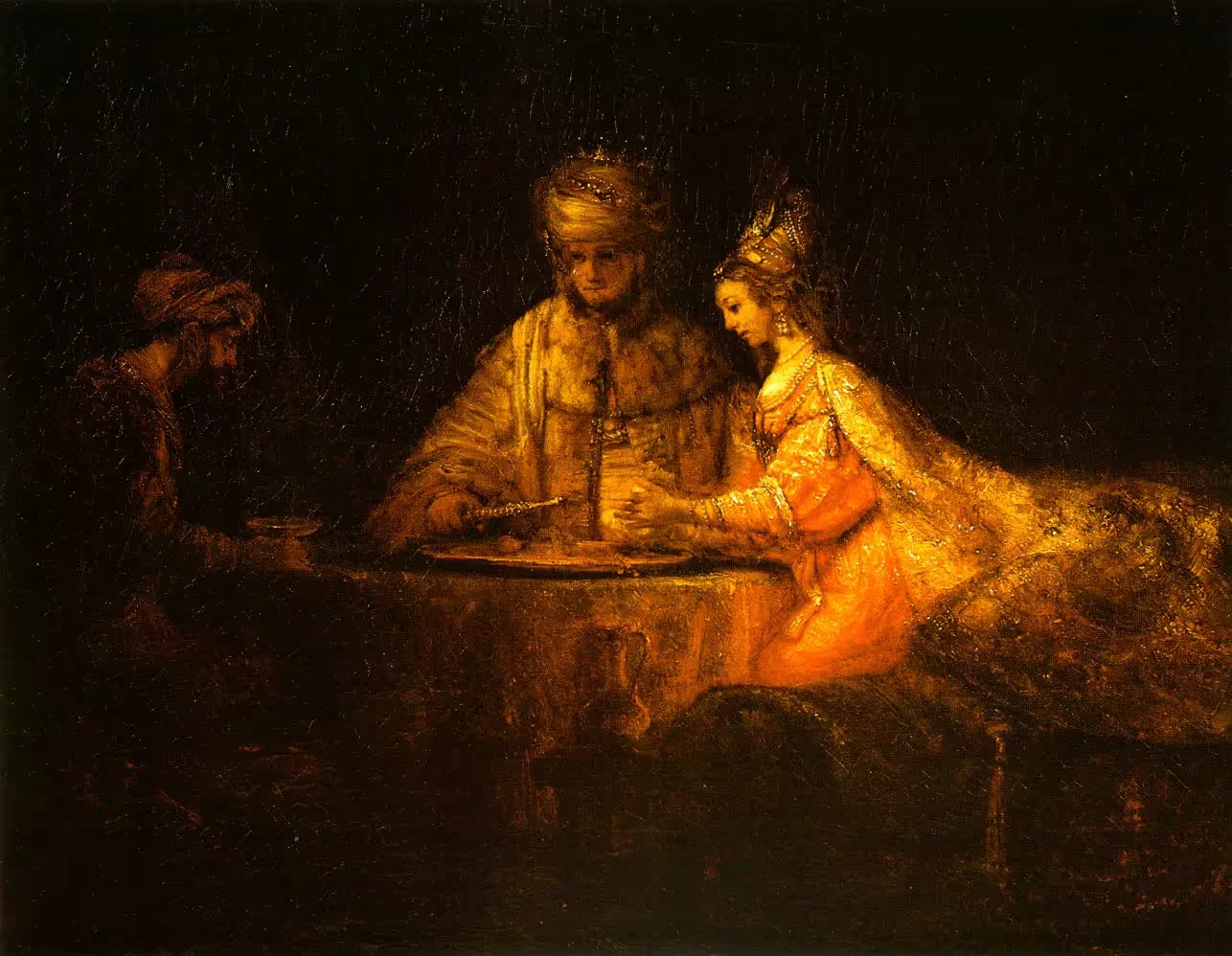
Using her royal position at an auspicious moment, Esther revealed her hidden identity as a Jewess before the king and Haman at a private banquet, requesting that her people live, and also revealing Haman’s devious plan. The Jews were allowed to defend themselves and Haman and his 10 sons were hanged on the gallows.
Learn more about the century and context in which the Purim story happened HERE
National Museum of Iran, Tehran
A. Davey, CC BY 2.0, via Wikimedia Commons
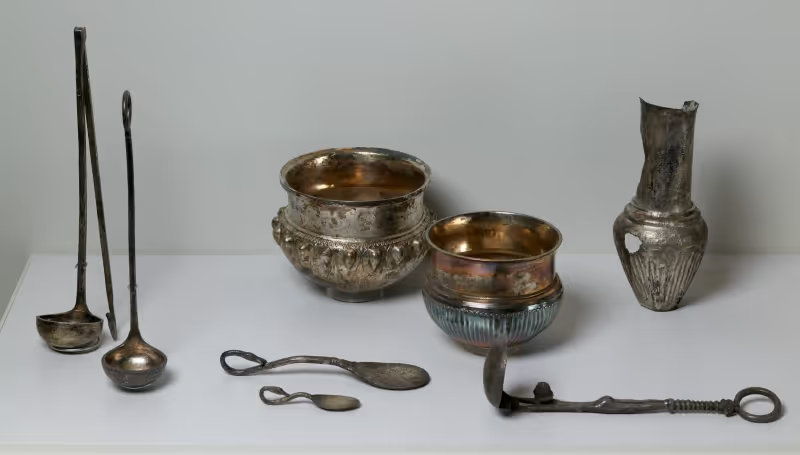
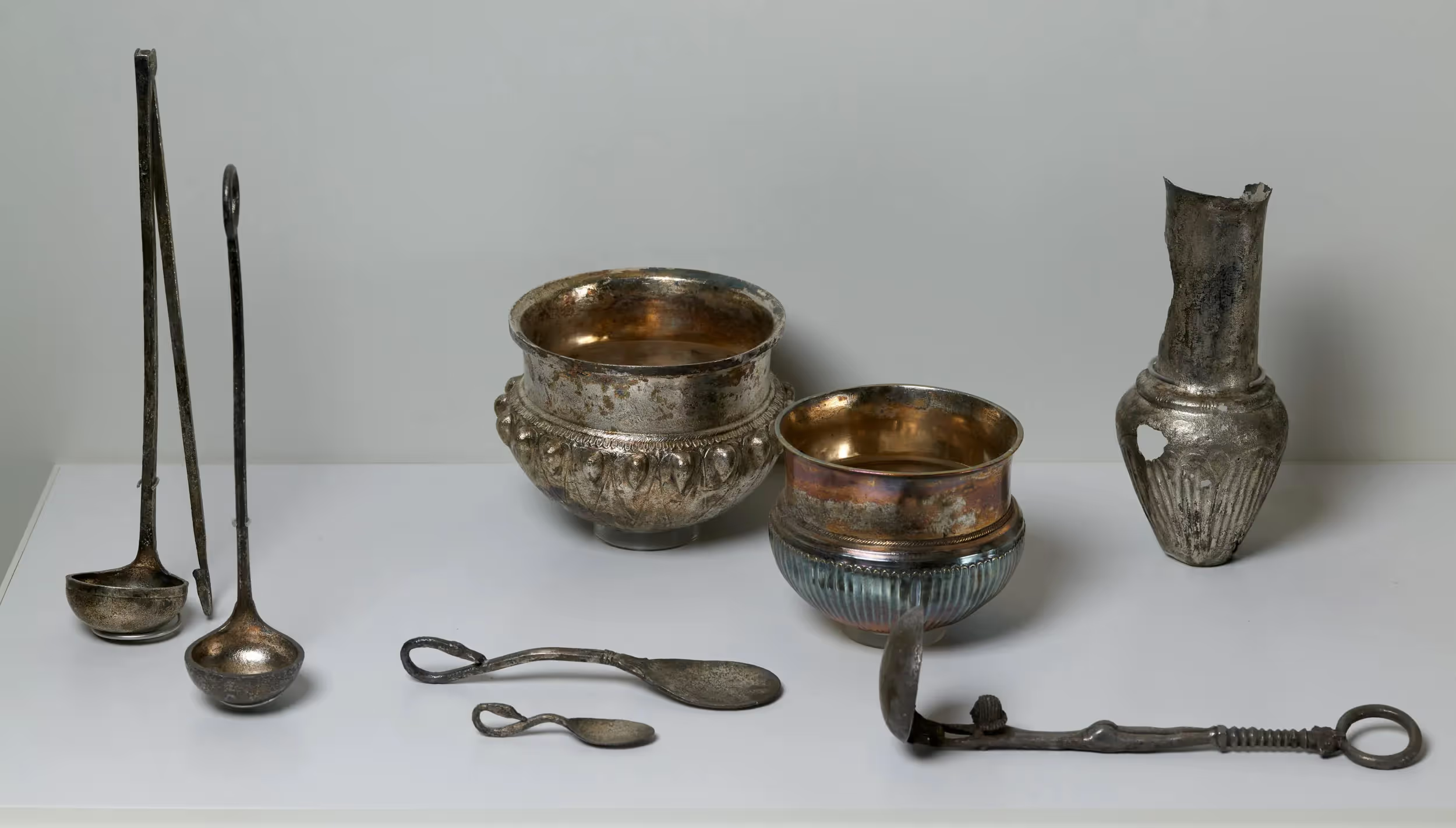
In the Purim story, almost all the big "aha!" moments happened at banquets where wine was served. In this picture is an ancient wineset dating back to the time of Esther.
3) Central Themes of the Day: Hidden Miracles and Turn-Arounds
• Reversal - “v’nafoch hu,” – It turned around: where a time of great fear was suddenly turned into a time of great joy and victory.
• Hiddenness: We dress in costumes to reflect Esther hiding her Jewish identity from the Palace. Also, God’s name doesn’t appear in the Book of Esther, showing His guiding hand behind the scenes.
• A cure before the blow: Esther entered the Palace before Haman put his evil plan in action. This shows that God creates the way out and sets things in place before the tragedy hits.
4) Purim in Jewish Texts
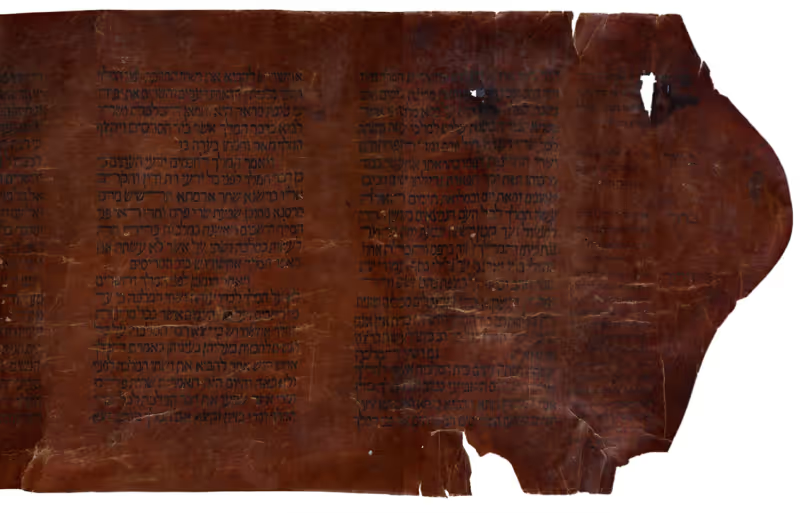
The Book of Esther, or in Hebrew “Megillat Esther” - the Scroll of Esther.
2 Maccabees 15:36
“… celebrated each year on the eve of Mordecai's Day, which is the thirteenth day of the twelfth month, called Adar in Aramaic.”
Josephus: Antiquities of the Jews(6.6.13)
According to Josephus, the festival of Purim was celebrated in Jerusalem in 94 CE. He states in Antiquities of the Jews(6.6.13):
“Mordecai also wrote to the Jews…to observe these days, and celebrate them as festivals; … the Jews still keep the aforementioned days, and call them days of Purim” .
5) Why Purim Matters
Purim teaches us to:
• Have faith during difficult times even when miracles are hidden or hard to see.
• The Mitzvot of Purim teach us to take care of our friends and those less fortunate by sharing gifts of food and charity.
• Standing up for what is right and taking risks to protect the rights and safety of others.
• The prayer focus of the day is a special addition called Al HaNissim, which thanks God for the "wonders and deliverances" performed in the past
6) Purim in Ancient Israel
The Jewish-Greek version of the Book of Esther, written in Hasmonean Jerusalem around 78 BCE, mentions Purim in Jerusalem and Alexandria.
Josephus: Antiquities of the Jews(6.6.13)
According to Josephus, the festival of Purim was celebrated in Jerusalem in 94 CE.
2 Maccabees 15:36: the Jews keeping the Fast of Esther or “Mordecai's Day” around 100 BCE
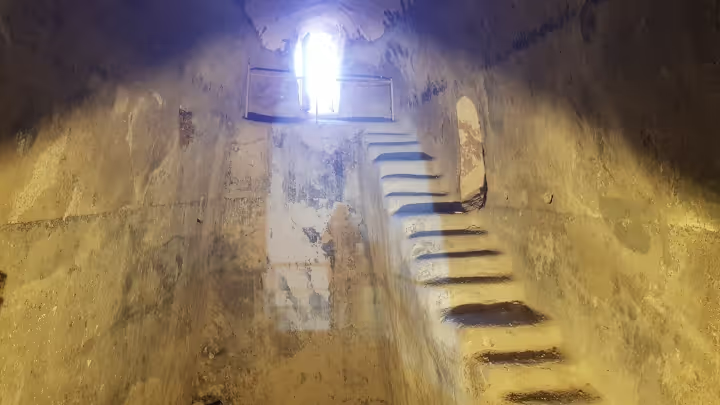
Preparing for Pilgrimage: In Temple Times, the Sanherdrin sent out workers on the 15th of Adar to clear the roads to Jerusalem and open the rain cisterns for the upcoming pilgrimages.
7) Key Rituals – then and now
# 1: Reading Megillat Esther, scroll written by a Torah Scribe, in the synagogue
# 2: Mishloach Manot: sending food baskets with at least two different types of food to friends and family.
# 3: Matanot L'evyonim: giving charity to at least two people in need so that everyone can afford a holiday meal.
# 4: Seudah: a celebratory meal with friends and family sharing delicious food and wine.
…and don’t forget to dress in a costume!


.avif)