Gold Fatimid Coins Minted in Ramla
Circumstances for the Jews drastically changed when control of the land passed from the Sunni Abbasid caliphate, whose capital was Baghdad, Iraq, to its Shiite rivals—the Fatimid dynasty of North Africa —in 969 CE, ruling from Cairo, Egypt.
Most Arabs in the area were Sunnis and regarded the Fatimids, who were Shiites, as usurpers.
Jews played a significant part in the Fatimid conquest and in consolidating their power, which, in turn, allowed Jews to hold important administrative positions.
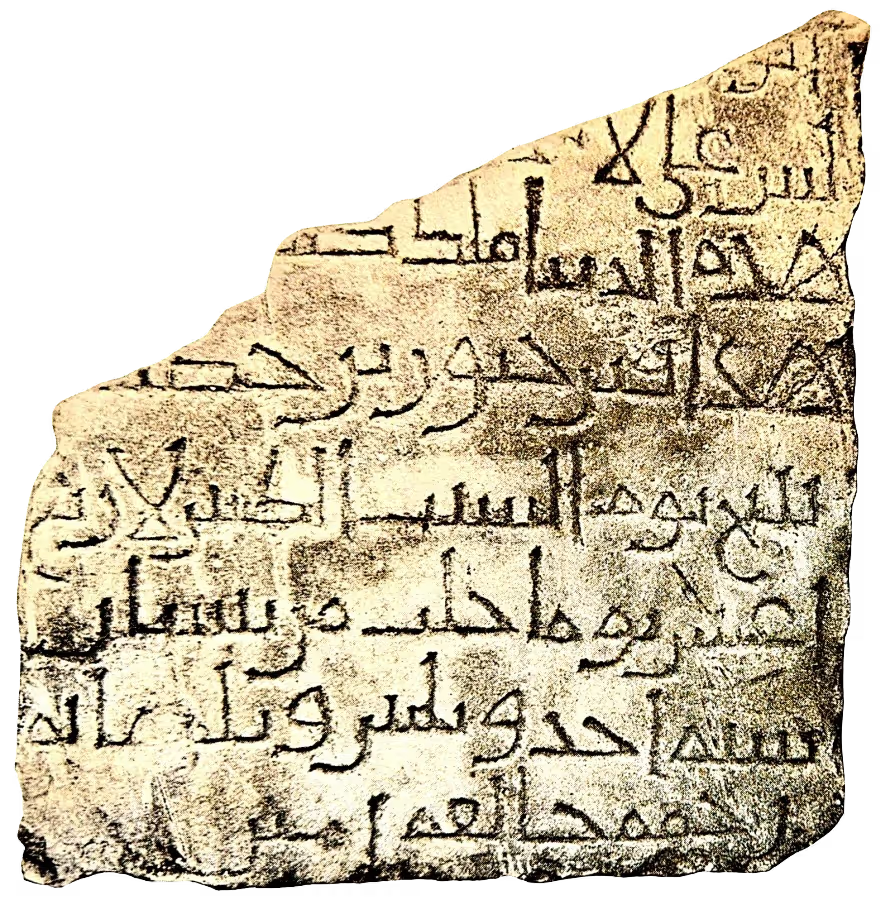
A juglet containing gold coins, some minted in Ramla, dating to this era, was discovered during excavations at the Western Wall plaza in 2020. The dates minted on the coins fall within a tight window between 940 and 970 CE and are a near-perfect reflection of the historical shift in power.

Photo: Dafna Gazit, Israel Antiquities Authority
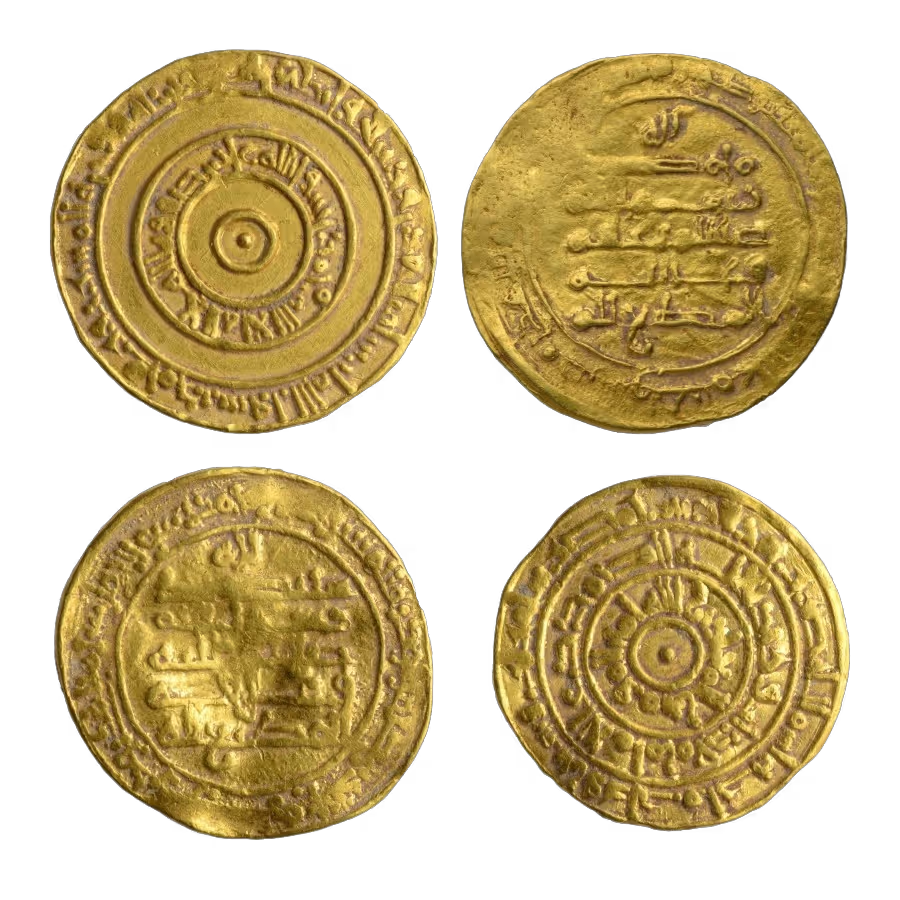
Photo: Dafna Gazit, Israel Antiquities Authority

Overview
A juglet with gold coins dating to the beginning of the Fatimid rule was found in 2020 in excavations at the Western Wall plaza. The dates minted on the coins fit within a tight window (940–970 c.e.) and are a near-perfect reflection of the historical events.
In the Bible

Life lessons

Humor

Advocacy

Fun fact

Antisimetism