Kabbalah – Hacking the Code

What we are covering
Overview
There is a general belief that Judaism is dry and void of spirituality. This cannot be further from the truth. Jewish spirituality reaches tremendous depths and heights and goes far beyond a “feeling”, meditation, or the practice of consciousness. It reveals a deep, hidden spiritual structure of G-d’s Governmental system in the world, how G-d, the Infinite Divine (Ein Sof), created and continually sustains the cosmos, and your soul’s inner spiritual connection to it. It is called Kabbalah – “to receive”.
In all things Judaism, every aspect, even the spiritual, has a systematic approach to the inside workings of all things. We don’t only experience it; we take it apart, observe every intricate detail, and then map it out. Even the laws of nature are but a manifestation of a much more integrated and hidden system.
This involves an elaborate and interconnected network of conduits, including spiritual forces, angels adhering to a complex hierarchy, and cosmic dynamics that the planets and their orbits are part of... and, of course… you!
As the spiritual counterpart and reflection of the physical, Kabbalah can be traced back to the Creation of the World, the Garden of Eden, and the Patriarchs' profound understanding of its depths 3,500 years ago. The responding dark side of all things spiritual, comes to the fore in the mysterious story of the Tower of Babel and Balaam’s relentless efforts to curse Israel in the wilderness through sorcery 3,300 years ago.
Kabbala is embedded in the Torah through a hidden code of Law, and King David already started to give a glimpse into the workings of this hidden metaphysical system. But it was during the time when Rabbi Shimon Bar Yochai authored the Zohar 1,900 years ago that we were given a slightly bigger glance into the wonders of this system.
Still far beyond the comprehension of normal human understanding (us normal folk), the Sages of Kabbalah in Tsfat (Safed) 500 years ago (16th Century CE) clarified and systematized the dynamics even further.
Most of these Kabbalistic sages moved from Spain to Tsfat. A story related in the book Maggid Meisharim, Rabbi Yosef Karo’s maggid, a spiritual guide who communicates divine wisdom, repeatedly urged him to leave the Diaspora and settle in the Land of Israel as a prerequisite for attaining higher spiritual levels and divine revelation. Other Kabbalists followed, bolstering the already 2,900-year-old Jewish presence in the Land at that time.
Rabbi Yitzchak Luria, known as the Holy Ari and a resident of Tsfat (1570), transformed earlier Kabbalah into a dynamic, deeply mystical framework that became the foundation and guide for Jewish mysticism and Kabbalistic traditions.
So, let’s break it down.
Ever wondered why there are so many Jewish Nobel Prize winners per capita across the arts and sciences? Well, it started with the giving of the Torah on Mt Sinai 3,400 years ago. G-d gave the Jewish people a set of principles and rules for interpreting the written text. Examining the Torah text, or, for that matter, any scientific field, it’s all about diving into the kishkes or innermost part of the matter, taking it apart piece by piece and seeing how it is connected to the bigger picture – a very Jewish thing to do.
Rabbi Yishmael, who lived in the first half of the second century, compiled a condensed list of thirteen hermeneutical rules governing the interpretation of the Torah. These rules showcase a template, if you may, that can be used in many different academic fields for interpretation, as everything in G-d’s creation runs on the same basic rules. (see the bottom of this article for the Thirteen Rules)
These rules help us to extrapolate the meaning and dynamics embedded and hidden in the Torah, which in itself is broken down into four layers, with the acronym P(a)RD(e)S – “paradise”, orchard or garden, referring to the Torah as an integrated, multi-layered and interconnected ecosystem that can’t be taken at face value.
Level Hebrew Meaning
P Peshat (פשט) The simple, literal meaning of the text.
R Remez (רמז) Hints, allusions, and symbolic meanings.
D Drash (דרש) Interpretive or homiletical explanations, often found in Midrash.
S Sod (סוד) Secret. The hidden, mystical meaning of Torah explained by Kabbalah.
The hidden, deep mystical understandings cannot be reached or understood by our current generation. It takes years of study across all fields of Judaism to penetrate and grasp these levels. But the sages have left us with great writings that explain this system in a way we can understand and even apply in our lives.
If we can understand the basics, we can become active agents working with the system and even help restore and ultimately elevate the world - better known as Tikkun Olam.
Humans cannot deal with or survive G-d’s infinite essence and light. G-d, in His wisdom, therefore had to build worlds acting as layers that can filter down the light to a level we can actually handle. Take, for instance, the angels that are closest to Him; the Bible calls them Serafim, “burning ones”. They are literally on fire because of their proximity to Him, and yet, no being can ever come close to reaching Him fully.
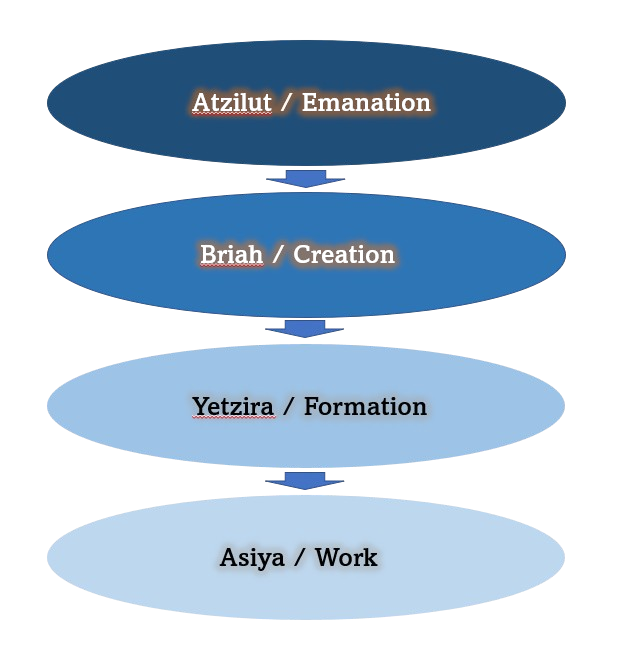
These worlds, working as filters, can be compared to a series of spiritual electric transformers that decrease the intense flow of light barrelling down on us until it is conducive to our world.
There are four worlds through which this light is filtered:
Atzilut (Emanation) – The realm of the Infinite: pure Divine unity.
Beriah (Creation) – Creating something from nothing. Only G-d can do this.
Yetzirah (Formation) – The realm where Divine energies take structured form. The formation of Time and Space. Using the building blocks of Beriah to start creating structures.
Asiyah (Action) – The realm of action and manifestation, including the physical world in which we live.
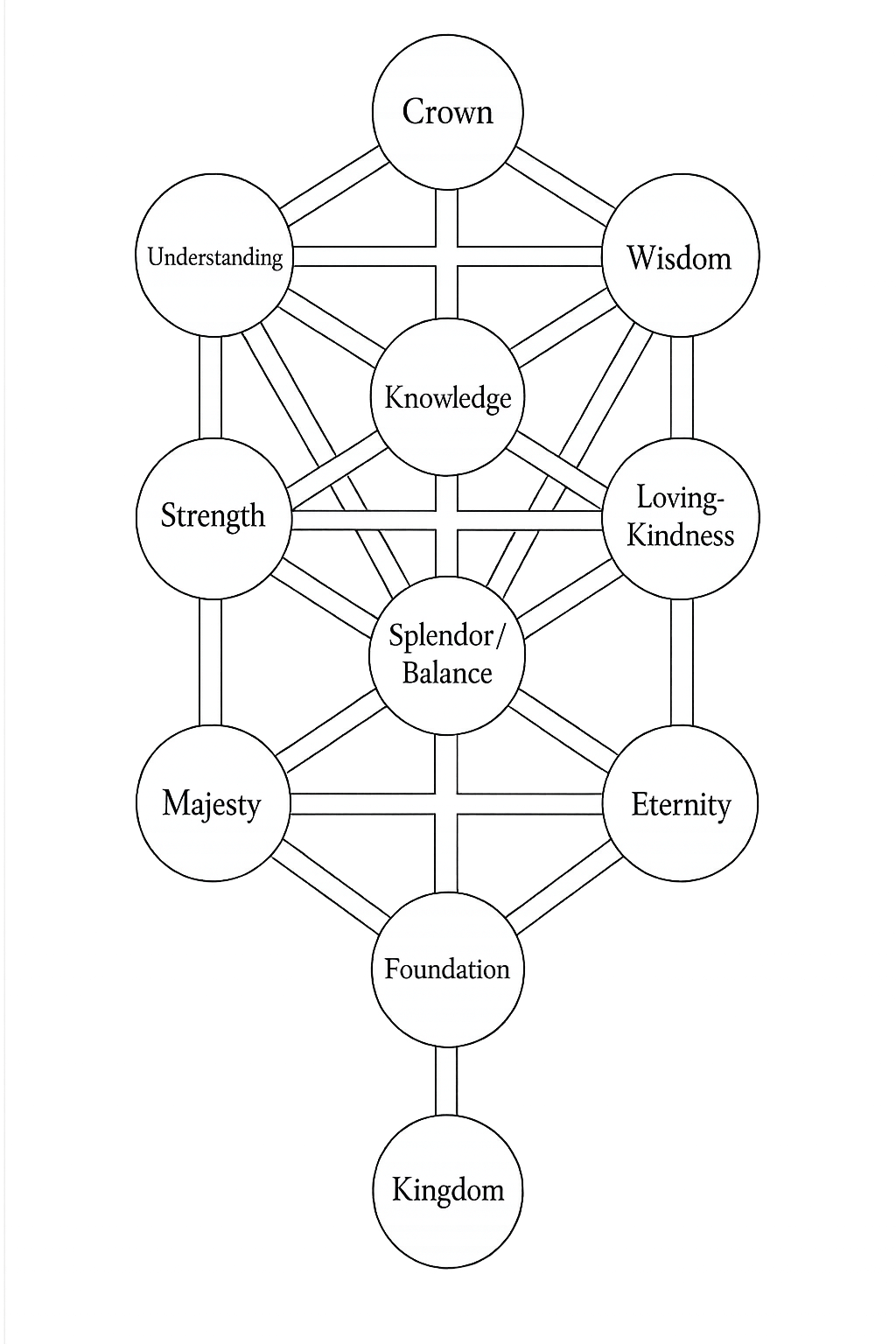
Built into this flow is a spiritual calculator that measures exactly what every living being needs to exist in this world at any given time. This calculator is visualized as a structure of sefirot. You can almost hear the modern word “sphere” in there. The root of sefira is S-F-R, forming the basis of words like “lispor” to “count” , “lesaper”, to tell or to give an account, “sefer” a book which basically gives an “account” on something, “misparim” or numbers. All these words have to do with accounting, calculating and measuring. The sefirot are “Spheres of Influence” and each sefira has a very specific character.
The Seven Sefirot are:
• Chesed (Loving Kindness)
• Gevurah (Strength and boundaries)
• Tiferet (Balance and Splendor)
• Netzach (Eternity and Victory)
• Hod (Majesty)
• Yesod (Foundation)
• Malchut (Kingship)
Malchut, or Kingship, is the world in which we live. Yesod, or Foundation, works as a funnel that gathers a measure of provision that has been specifically formulated, calculated and filtered for an individual into his or her world. This Divine flow coming from above is also called Mazal or Shefa. Now you understand why we wish someone a “Mazal Tov” – a good heavenly flow and provision.
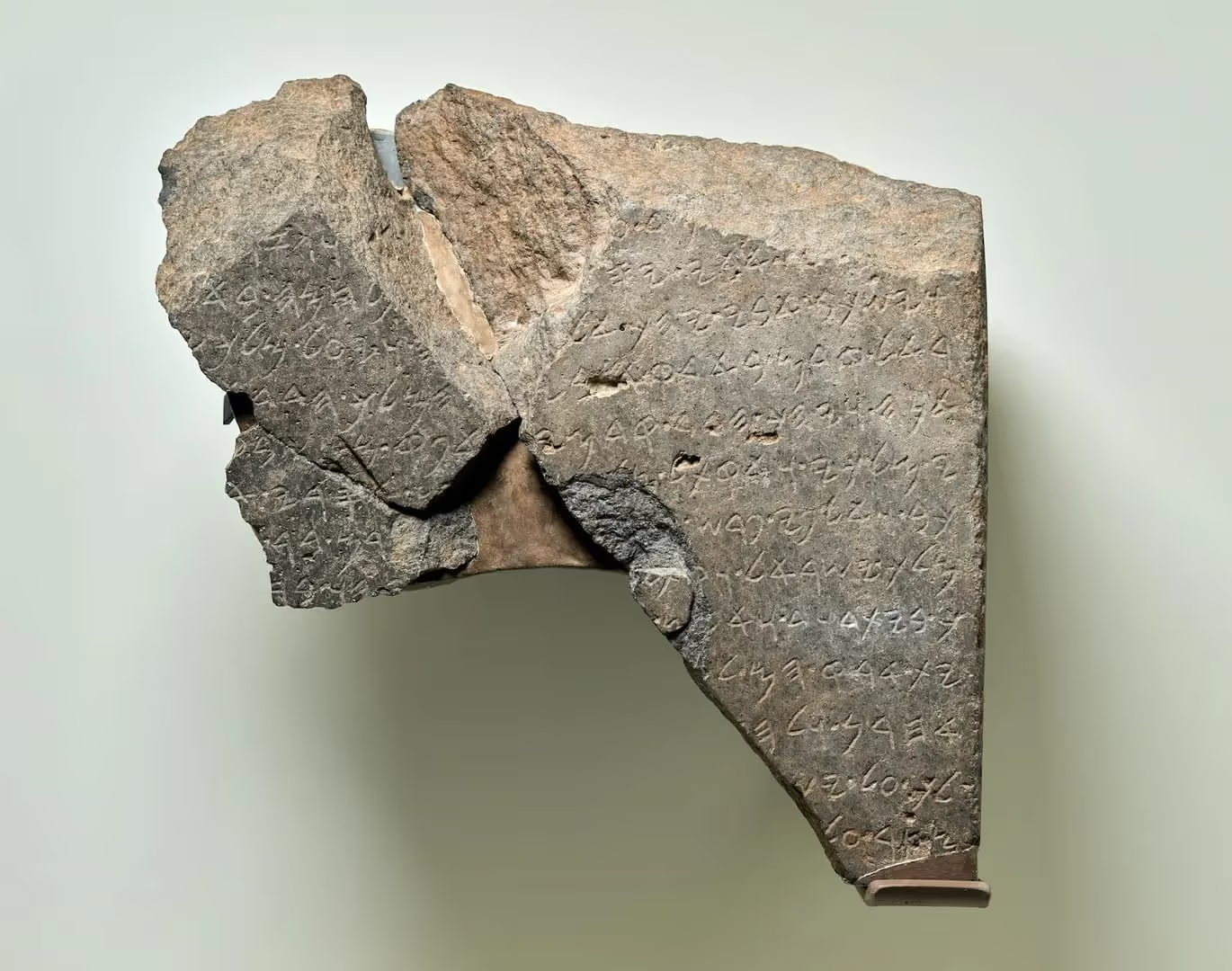
The sages of the 16th Century in Tsfat (Safed) expounded greatly on Kabbalistic dynamics, but great righteous people have known this since the giving of the Torah and even before. The forefathers, Abraham, Isaac, and Jacob, were called to establish these dynamics in our world. King David very much knew the complexities of the Sefirot, and he alludes to them when he praised G-d in front of the congregation of Israel when he said:
1 Chronicles 29:11
Yours, O L-RD, is the greatness (Chesed), and the power (Gevura), and the glory (Tiferet), and the victory (Netzach), and the majesty (Hod); for all that is in the heaven (the Zeir Anpin or the first 6 sefirot) and (Yesod) in the earth (Malchut) is Yours; Yours is the kingdom (Malchut), O L-RD, and You are exalted as head above all.
We can see that the deeper spiritual dynamics are in plain sight in the Bible.
The sages and prophets knew them well. The way prophets received their prophecies is directly connected to this system.
But when did it become more understandable and applicable for us?
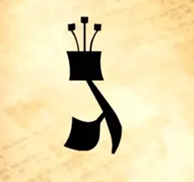
Rabbi Akiva, who lived in the 2nd Century CE during the time of the Bar Kokhva revolt, cracked a hidden code embedded in the crowns of the Hebrew letters. The code, called Alphabet of Rabbi Akiva (Otiot de-Rabbi Akiva), assigns profound mystical, numerical, and ethical codes to every single letter and its respective divine name, extrapolating vast bodies of Jewish law, philosophical concepts, and deep interpretations based purely on the placement, combinations, and shapes of these crowns.
Rabbi Akiva’s foremost student was Rabbi Shimon bar Yochai, the righteous sage who revealed the Divine light of the Zohar before his death.
After the death of the tyrannical Roman emperor Hadrian, Antonius Pius took the reins and allowed the sages to assemble and learn in Usha. The sages had to be careful when voicing their opinions about the Romans. During a meeting in Usha, a Roman informer reported Rabbi Shimon Bar Yochai (the Rashbi) to the authorities for his anti-Roman stance, and the Rashbi and his son, Elazar, were compelled to seek refuge in a cave. Afraid that their clothing would wear out, the Rashbi and his son covered themselves up to their necks with sand while studying Torah, only dressing up for Shabbat, and lived entirely of carobs and water for 13-years.
During these 13 years, they achieved unfathomable spiritual heights. Communities would approach him for help identifying nameless graves. The Rashbi was able to point out the names of the Jews buried in these unmarked graves. The Rashbi moved to Tekoa (the hometown of the prophet Jeremiah, 6th century BCE) and later to Meron.
As he neared his death, the Rashbi gathered his closest disciples to reveal profound mysteries he had concealed. As Rashbi spoke, Rabbi Abba transcribed his words, while his son, Rabbi Elazar, and the rest of the disciples absorbed the teachings. During this time, the Rashbi revealed the core teachings of the Zohar.
Nearing the end, fire surrounded the house, so everyone fled outside, leaving only Rabbi Elazar and Rabbi Abba. The Rashbi turned on his right side, smiling as he passed away. The light and fire departed.
One of the greatest lights was revealed to this world 2,000 years ago through the Rashbi, but the light was hidden again. The Zohar, meaning “Brilliance”, which is the chief source of the Kabbalah, was studied by a few select scholars through the generations and was ultimately revealed seven hundred years ago by Rabbi Moses ben Shem Tov de Leon. We’ll get back to this in a moment.
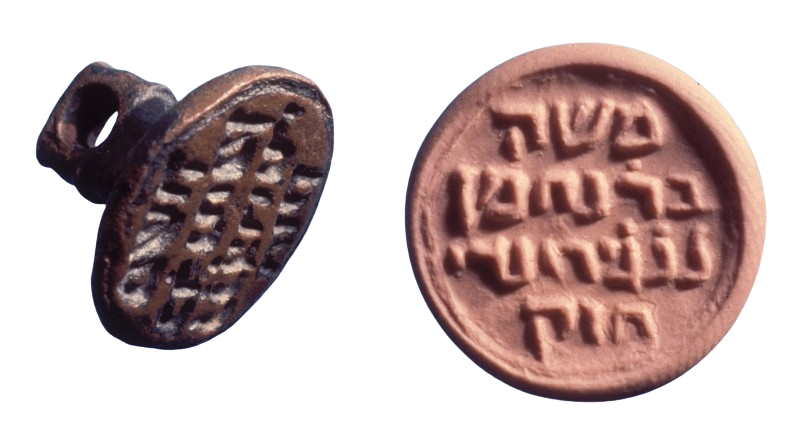
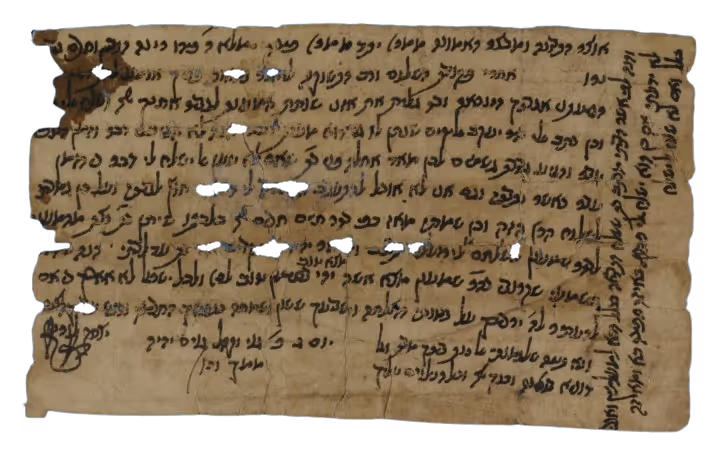
It is important to note that Kabbalah was expounded upon even before the spread of the Zohar. The very famous Rabbi Moshe Ben Nachman – the Ramban, or Nachmanides (born in Spain and moved to Israel in 1267 CE) was one of the most important figures in the history of Kabbalah. He openly incorporated Kabbalah into a classic Torah commentary. His writings helped legitimize Kabbalah within mainstream Judaism.
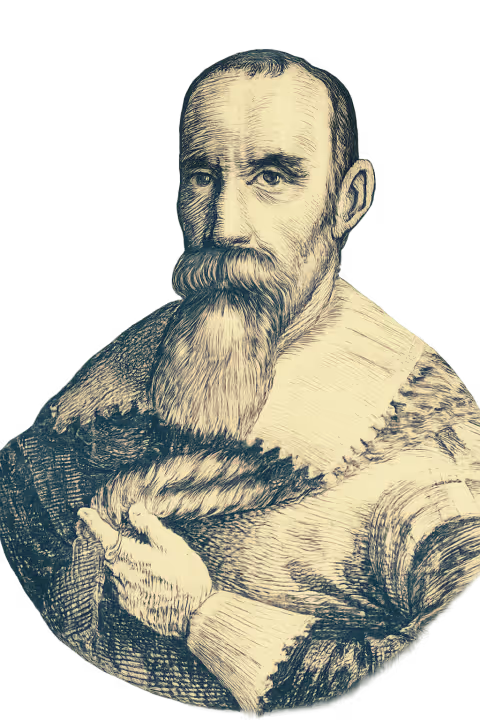
Famous Jewish astronomer, mathematician, rabbi, and historian Abraham Zacuto mentions Ramban’s involvement in safeguarding and transferring the Zohar manuscripts.
“I heard them say to me with regard to my question that the faithful rabbi, the Ramban of blessed memory, dispatched it [Sefer ha-Zohar] from Eretz Yisrael to Catalunya to his son, but the wind brought it to Aragon, and there are those who say to Alcanati…”
Learn more about Nachmanide HERE
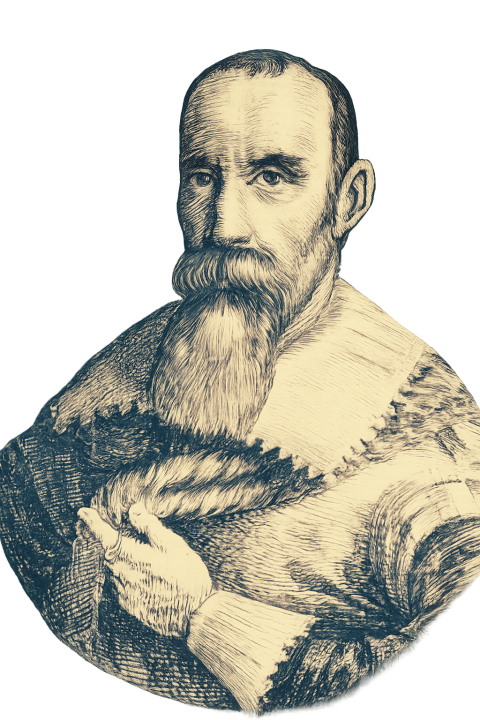
Rabbi Avraham Zacuto went to great lengths to investigate the authenticity and journeys of the Zohar manuscripts in his book Sefer Yuchasin, giving many accounts, sometimes contradictory and even disproving the authenticity of the Zohar. After great research he ultimately accepted the Zohar as authentic.
The Zohar we have today is a compilation of texts circulated in many manuscripts. According to accounts, the books (scrolls) were hidden in the corners of their keepers' houses, where they suffered severe wear and tear. Later, they assembled what remained from those books. This explains why certain transitions between subjects at the beginnings of paragraphs are lost, and why some text jumps between subjects.
After Rabbi Moses ben Shem Tov de Leon compiled and published the Zohar, it began to circulate widely throughout Spain. The Zohar was copied and studied, but Kabbalah remained largely Spanish.
Key Spanish scholars, such as the Shem Tov ibn Shem Tov, emphasized Kabbalah as the deepest level of Judaism.
In the backdrop of the Inquisition and expulsions, Kabbalah increasingly became a source of consolation after catastrophe and a framework for understanding exile and redemption.
Rabbi Meir ibn Gabbai authored Avodat HaKodesh became one of the most important bridges between Spanish Kabbalah and the Safed school. Rabbis Moshe Cordovero, Yosef Karo and the ARI were deeply familiar with the concepts related in Avodat HaKodesh. It is during the golden age of Tsfat that Kabbalah became institutionalized.
Learn more about the Tsfat-Kaballah axis during the 16th Century HERE.
Sages vs. Sorcerers
The Tower of Babel: Hacking the Code for Nefarious and Selfish Reasons
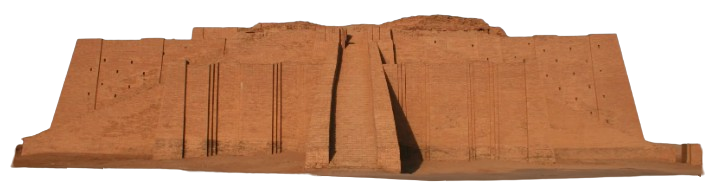
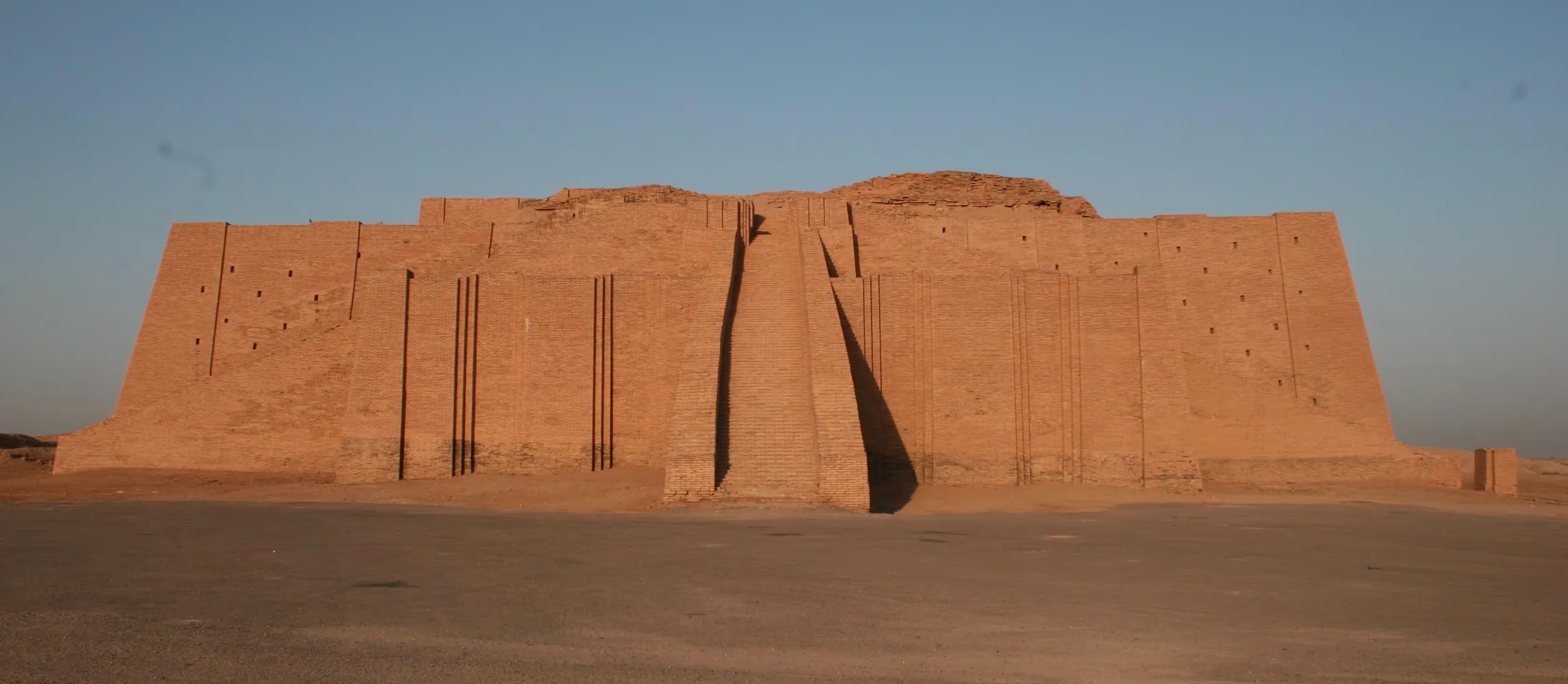
Just as in modern times, if a system can be hacked, it is only a matter of time before malicious actors have a go at it. Knowing that G-d’s world runs on a multi-dimensional coded system, the Zohar recounts the infamous story of the Tower of Babel, which symbolizes humanity's arrogant attempt to manipulate spiritual forces and to bypass divine order. Kabbalistic texts explain that the builders used their knowledge of the Hebrew language and Divine Names to force ministering angels to aid them in their construction. Understanding their evil intent, the Bible relates that G-d divided their languages in order to halt the process. (Genesis 11:1-9)
Learn more about the ziggurat HERE
This spiritual manipulation of the code can be used for either good or evil. The sages were well-versed in practical Kabbalah. This involved using rituals, amulets, and divine names to alter natural events or invoke spiritual forces. Altering natural events could only be achieved through decades of immersion in Torah study and reaching tremendously high levels of purity.
The opposite is also true. In order to conjure magic, you have to reach great levels of impurity. The greatest sorcerers in the Bible, such as Laban, the father of Leah and Rachel, and Balaam, the sorcerer commissioned to curse Israel during their journeys in the desert (Numbers 22-24), received their powers by committing repulsive acts of impurity.
Teleporting
It is well documented that some sages could teleport, called “Pritzat HaDerech,” between locations using practical Kabbalah. To achieve this, high levels of purity had to be reached, as mentioned before, along with an understanding of cosmic windows in time, knowledge of specific time shifts of angelic forces, and the correct Hebrew letter combinations and incantations. Practical Kabbalah a practice that is completely forbidden today, so don’t try this at home! Fortunately for all involved, the knowledge of these practices is well hidden from prying eyes.
The Universe was created with the 22 letters of the Hebrew Alphabet. It is the DNA of creation, and till today it "vibrates" on the same frequencies of Creation. Every letter is a world in itself. Putting these letters into words and sentences creates a multi-dimensional world.
“Davar” is the Hebrew for “word” and also means “thing,” “object,” or “matter”. Speaking words in Hebrew creates things. That’s why the Aramaic words “Abra k’Dabra” literally mean “I will create as I speak”. In modern terms, what you speak, you manifest. Doing it in Hebrew is just much more potent.
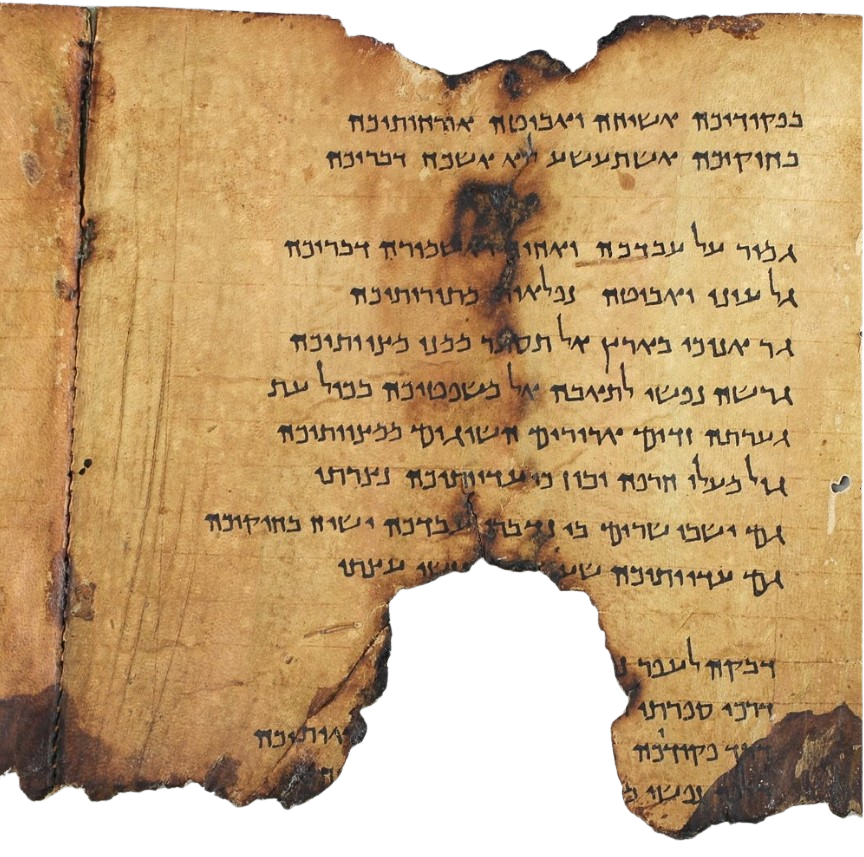
As we have established, the whole Torah is one continuous piece of Code corresponding to the fiber of Creation. The Book of Psalms is one of the most powerful and protective compilations of prayers given to the Jewish people. They are not mere thoughts or descriptions of experiences but are greatly imbued with hidden code – given that it is read and understood in Hebrew. The sages have written books on the spiritual depths and hidden secrets embedded in the Psalms.
After certain psalms, there is a special prayer hinting at the hidden codes in the text:
“May it be Your desire, our G-d and the G-d of our forefathers….and for the sake of this psalm’s sanctity… and the sanctity of its verses, cantillations, implications, mysteries, sacred Names hidden within the words ….”
You only have to sit on a bus in Israel to see many commuters reading the psalms at any given time as they make their daily journeys. Add war to the mix, and almost every second seat has someone reading the Psalms – perhaps a hint to that “special protection layer” that we see when barrages of ballistic missiles are hurled towards Israel, somehow with minimum human loss. It echoes in the famous remark of a terrorist in 2014: “Their God changes the path of our rockets in mid-air”
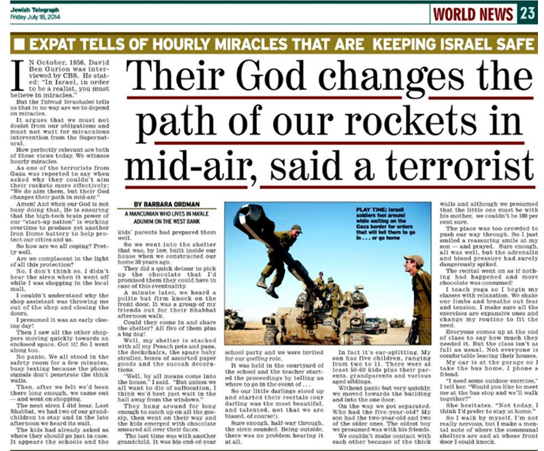
We have learned that G-d’s system of governance is embedded in hidden code throughout creation. The Torah is the manual for that code corresponding to these cosmic dynamics, and the Oral Torah and Kabbalah are the tools for understanding, extracting, and applying that code. It is vast and largely incomprehensible in our generation, but sages like the ARI, the Ramak, and the Ramchal, to name a few, have made it accessible so that we can learn and become active players in fixing and elevating the world.
Most of these actions are still in the plain text – to believe in G-d and to do acts of kindness to those in your circle of influence, as King Solomon, the wisest man in history who was able to unlock great spiritual secrets, summed it up at the end of the book of Ecclesiastes:
The end of the matter, all having been heard: fear G-d, and keep His commandments; for this is the whole man. For G-d shall bring every work into the judgment concerning every hidden thing, whether it be good or whether it be evil.
Rabbi Ishmael says: There are thirteen rules by means of which the Torah is interpreted:
1. Inference is drawn from a less important premise to a more important premise or vice versa.
2. From the similarity of words or phrases in separate texts it is inferred that the law expressed in the one must also be applied to the other.
3. A comprehensive principle, as contained in one or two biblical laws, is applicable to all related laws.
4. When a generalization is followed by specification, the specification applies instead of the generalization.
5. When a specification is followed by a generalization, the generalization then applies.
6. If a generalization is followed by a specification and then treated again by a general term, one must interpret according to what the specification implies.
7. When, however, the specification or generalization is necessary for the sake of clarity, rules 4 and 5 do not apply.
8. Whatever is first implied in a generalization and afterward specified to provide new information concerning it is stated not only for its own sake but to teach something additional concerning the general proposition.
9. Whatever is first implied in a general law and afterward specified to prove another similar provision is specified in order to alleviate and not to increase the severity of that provision.
10. Whatever is first implied in a general law and is afterward specified to prove another provision that is not similar to the general law is specified in order to alleviate the severity in some respects but to increase it in other respects.
11. Whatever is first implied in a general law and is afterward specified to determine a new matter cannot be applied to the general proposition unless the text expressly states that it can.
12. An ambiguous word or passage may be interpreted from its context or from a subsequent expression in the text.
13. Similarly, when two biblical texts contradict each other, they can be reconciled only by a third text.