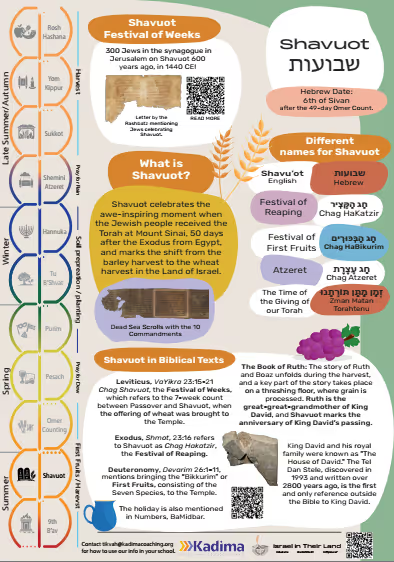


Shavuot - the Feast of Weeks
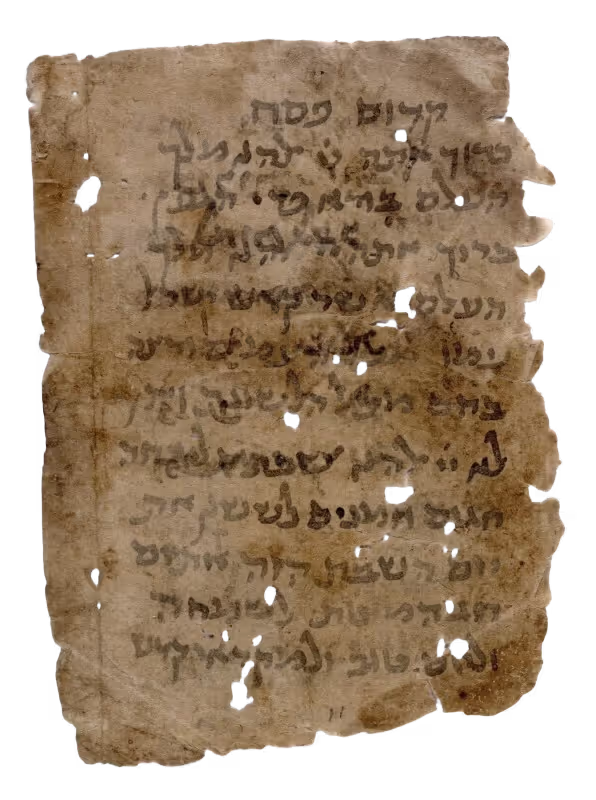
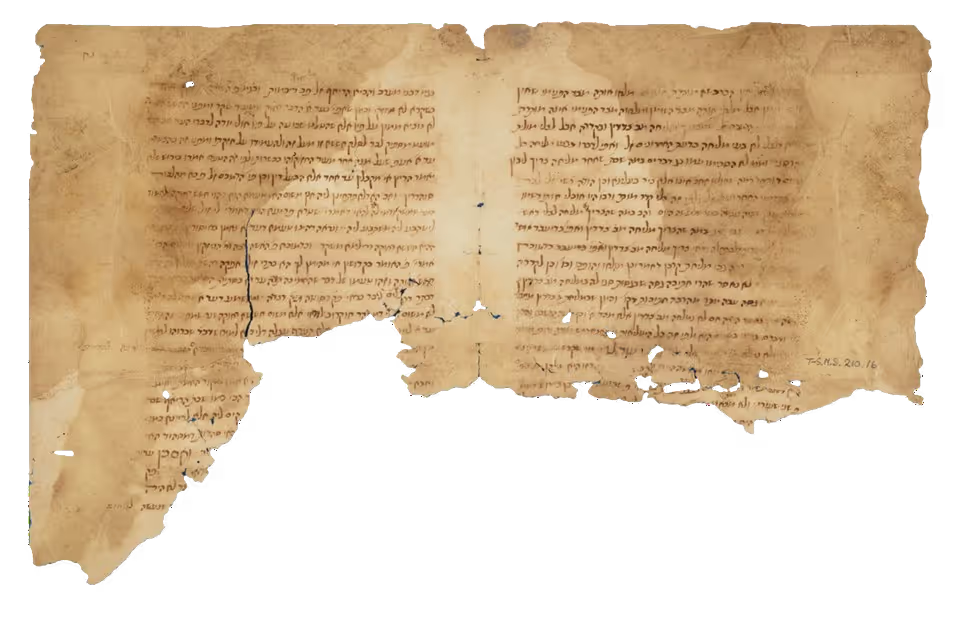
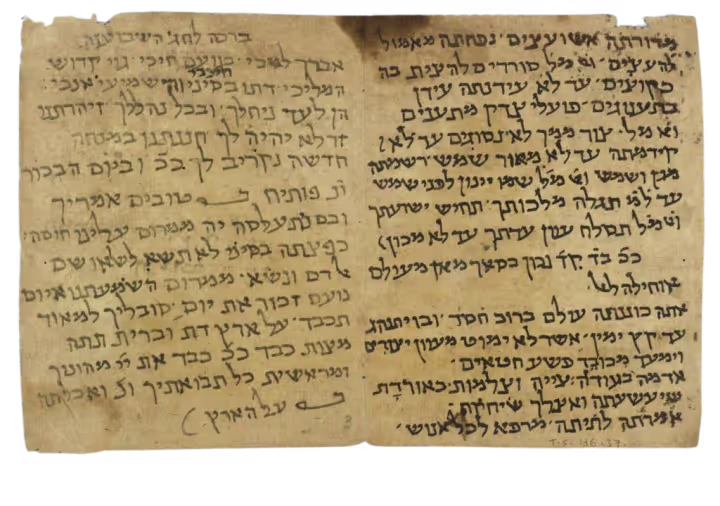
An ancient manuscript mentions 300 Jews in a synagogue in Jerusalem on Shavuot 600 years ago, in 1440 CE.
What is Shavuot?
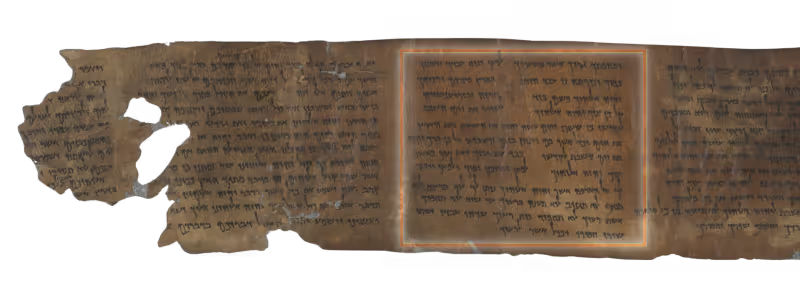
Shavuot celebrates the awe-inspiring moment when the Jewish people received the Torah at Mount Sinai, 50 days after the Exodus from Egypt, and in Temple times marked the shift from the barley harvest to the wheat harvest in the Land of Israel.
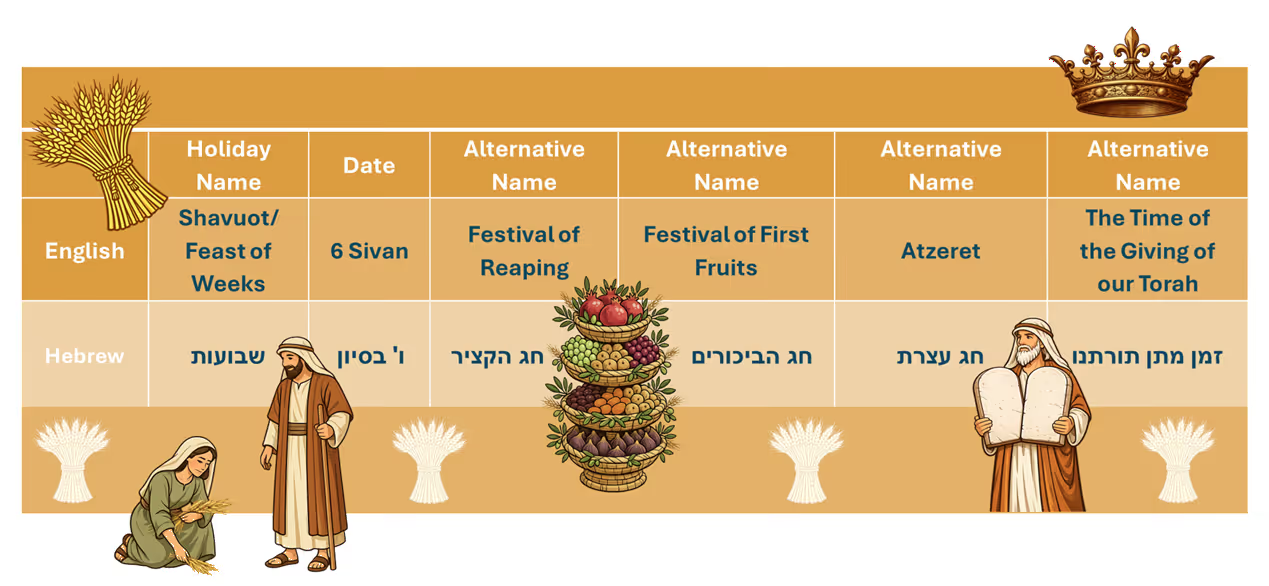
The word Shavuot itself means “weeks”, which refers to the counting of the Omer that takes place between Pesach (Passover) and Shavuot.
Leviticus, [VaYikra] 23:15-16:
“And you shall count for yourselves, from the morrow of the rest day, from the day you bring the omer as a wave offering, seven weeks; they shall be complete.
You shall count until the day after the seventh week, [namely,] the fiftieth day, [on which] you shall bring a new meal offering [of wheat] to the L-rd.”
The Omer (a biblical-era measurement of 43 Ounces/1,2 kg) refers to a meal offering made of barley, oil and frankincense that was brought to the Temple the second day after Pesach. Forty-nine days were counted, and on the 50th day, a wheat offering was brought to the Temple.
The counting of the Omer serves as a time of “spiritual recalibration”, stretching from a lowly, subdued position at the time of the liberation from slavery in Egypt to reaching an exalted consciousness during the giving of the Torah on Shavuot.
Shavuot in Biblical Texts
Leviticus, VaYikra 23:15-21 Chag Shavuot, the Festival of Weeks, which refers to the 7-week count between Passover and Shavuot, when the offering of wheat was brought to the Temple.
Exodus, Shmot, 23:16 refers to Shavuot as Chag Hakatzir, the Festival of Reaping.
Deuteronomy, Devarim 26:1–11, mentions bringing the “Bikkurim” or First Fruits, consisting of the Seven Species, to the Temple.
The holiday is also mentioned in Numbers, BaMidbar.
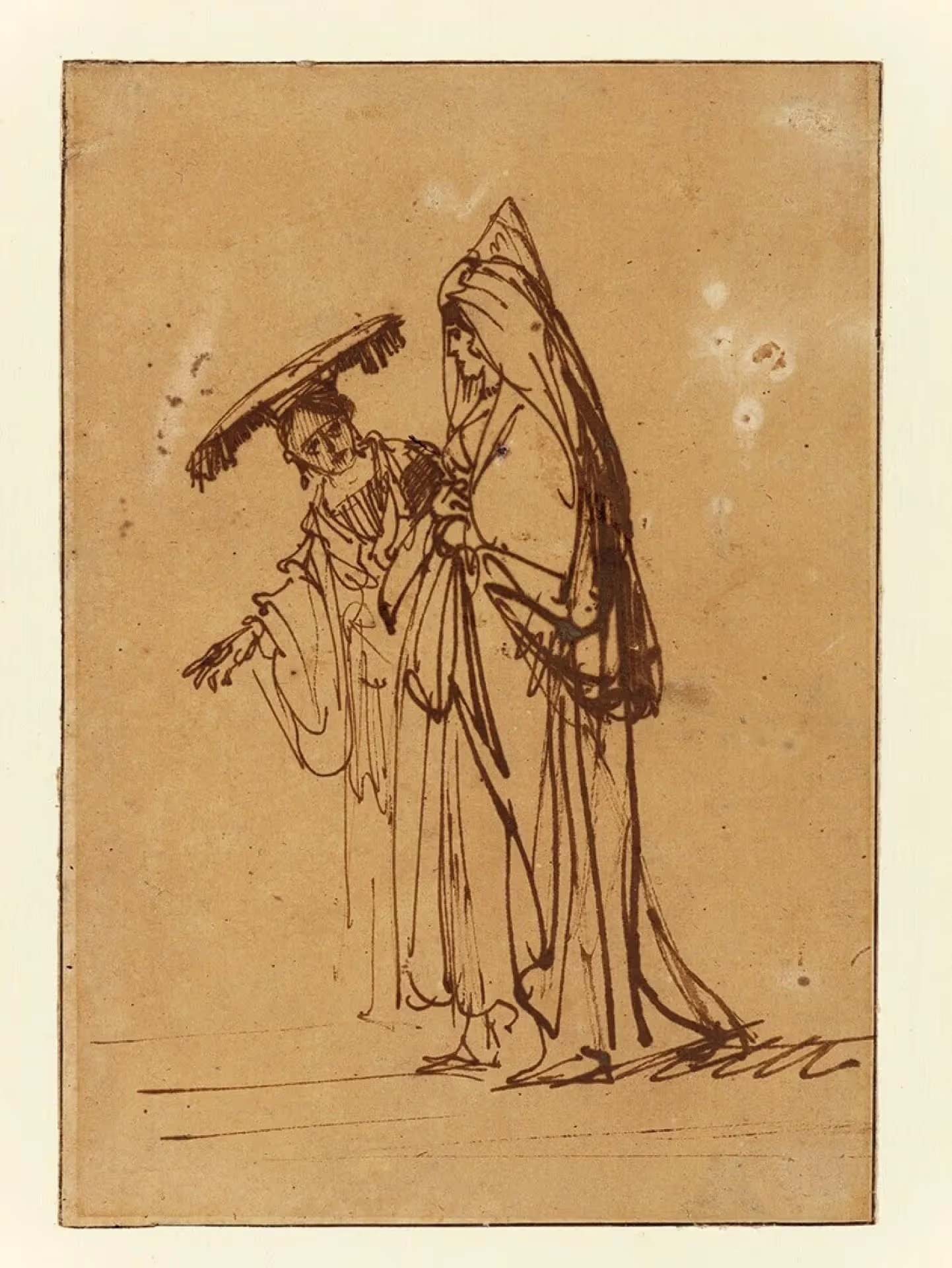
The Book of Ruth: The story of Ruth and Boaz unfolds during the harvest, and a key part of the story takes place on a threshing floor, where grain is processed. Ruth followed her mother-in-law, Naomi, from her homeland Moab as Noami was returning to Israel. Noami lost her husband and both her sons, one to which Ruth was married to. When Naomi urged her and Orpah, to return to Moab, Ruth gave the famous reply:
'Entreat me not to leave you, and to return from following after you; for where you will go, I will go; and where stay, I will stay; your people shall be my people, and you G-d my G-d."
Therefore Ruth is considered the mother of converts, as she left her own country, people and gods to become part of the Nation of Israel.
Ruth is the great-great-grandmother of King David, and Shavuot marks the anniversary of King David’s passing.
It is also very fitting and no coincidence that the last count of the Omer is Malchut sh’b’Malchut, Kingship within Kingship, leading up to the day commemorating the most venerated and beloved king of Israel and the prototype and forerunner of Mashiach.
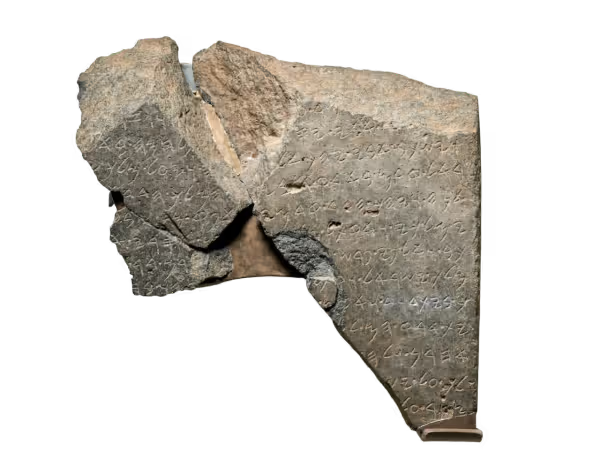
King David and his royal family were known as "The House of David." The Tel Dan Stele, discovered in 1993 and written over 2800 years ago, is the first and only reference outside the Bible to King David.
Why Shavuot Matters
Spiritually: The Torah’s laws and wisdom, which guide Jewish life, also provide universal moral values by which people, not just Jews, have lived around the world for thousands of years.
Ethically: It’s a time to remember that kindness and loyalty, shown through the story of Ruth, form the foundation of Torah and Jewish life.
Agriculturally: We celebrate the food, such as wheat and barley, that grow in the Land of Israel, a reminder that God constantly provides for our well-being.
Shavuot in Ancient Israel
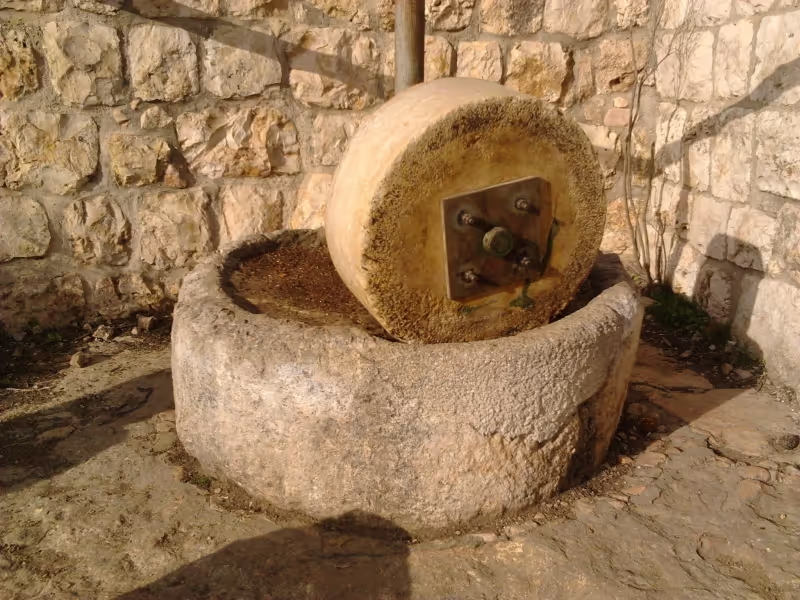
Threshing Floor: Farmers would harvest their barley and wheat in the fields. People used stone threshing floors to separate the grain from the stalks—some of these floors found by archaeologists are 5,000 years old. The threshing floor is central in the story of Ruth and Boaz, who serve as models of extreme kindness.

Temple:
○ On Shavuot, the grain offering brought in the Temple was changed from barley to wheat, known as “Shtei HaLechem”, two large, leavened loaves baked from the first wheat harvest.
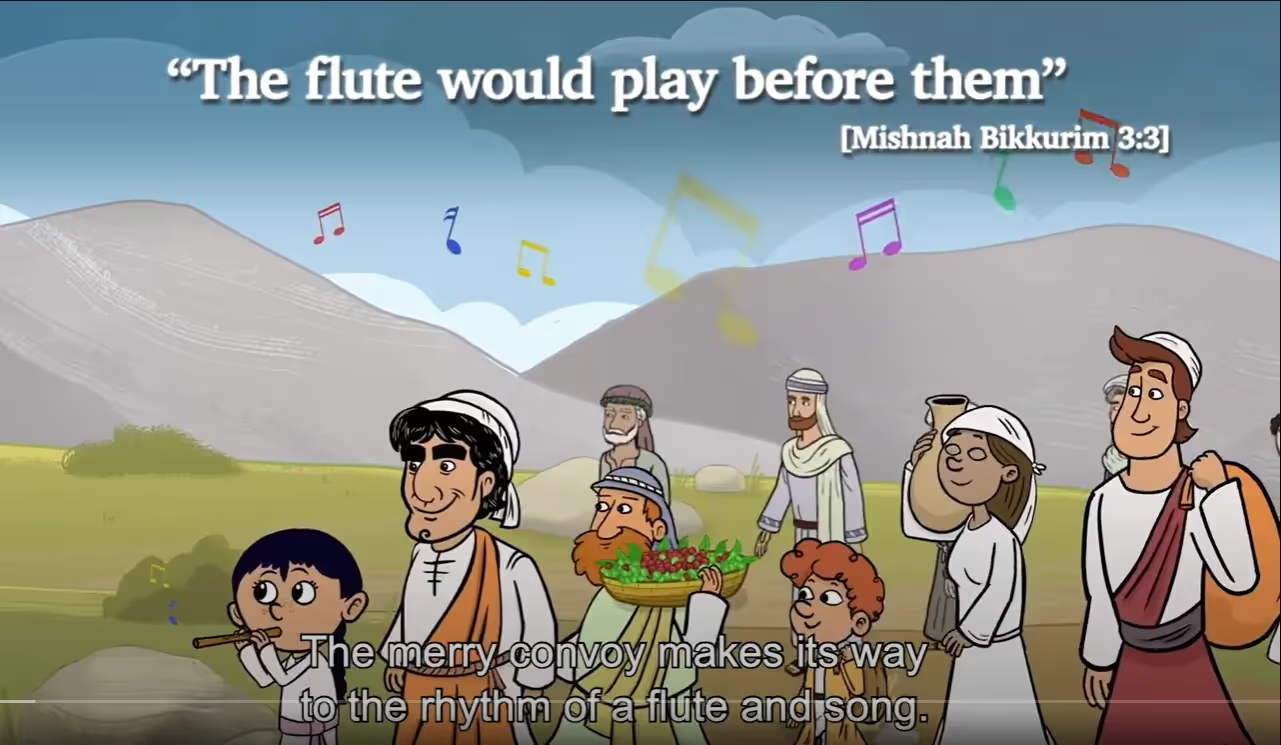
○ In addition to the wheat offering, the First Fruit or Bikkurim Offering was also brought. First Fruits could be brought up till the Festival of Hanukkah. The bringing of the First Fruit offering was with much fanfare in a joyous procession.
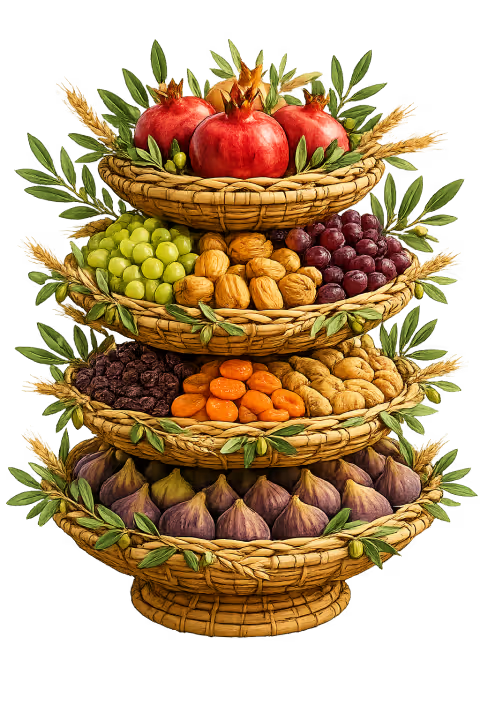
The mitzvah (commandment) of bikkurim however started long before the day of the procession itself. The farmer would go out to his field and look for budding fruit; he would tie a string around it and declare it set apart as “first fruits.” This applied only to the seven species of the land of Israel: wheat, barley, grapes, figs, pomegranates, olives, and dates.
With Shavuot approaching, the farmers would pack the set-aside fruit in layered woven baskets. Wealthy people would use trays of gold and silver. They would gather in Jerusalem and its surroundings before the festival.
In the morning of Shavuot, the leader would call out: “Arise and let us ascend to Zion, to G‑d our L‑rd.”
An ox with gold-coated horns would lead the procession, its head crowned with olive branches.
Musicians will play flutes as the procession approaches Jerusalem. The entire way, the people proclaimed: “I rejoiced when it was told me: ‘Let us go to the house of G‑d.’
Key Rituals Today
All-Night Study: Many people stay awake all night long to study Torah.
Dairy Foods: It is a tradition to eat dairy foods, such as cheesecake or blintzes, on Shavuot.
Shavuot prayer services.
Today in Israel — Modern Connections
If you’re in Jerusalem on Shavuot, you'll see an amazing sight—thousands of people in white walking through the streets toward the Old City before dawn in order to pray at the Western Wall, the Kotel.