

Sukkot
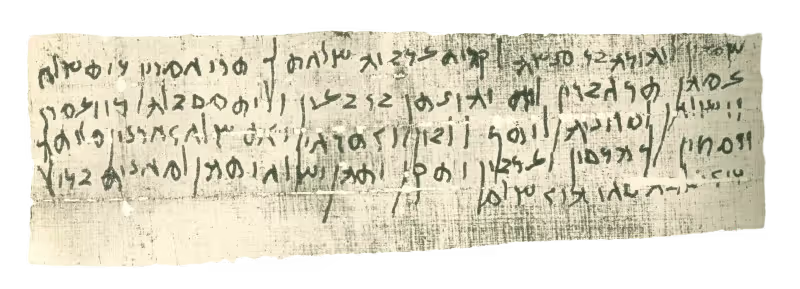
Jews celebrated Sukkot 1,900 years ago in Israel during the Bar Kochva Revolt
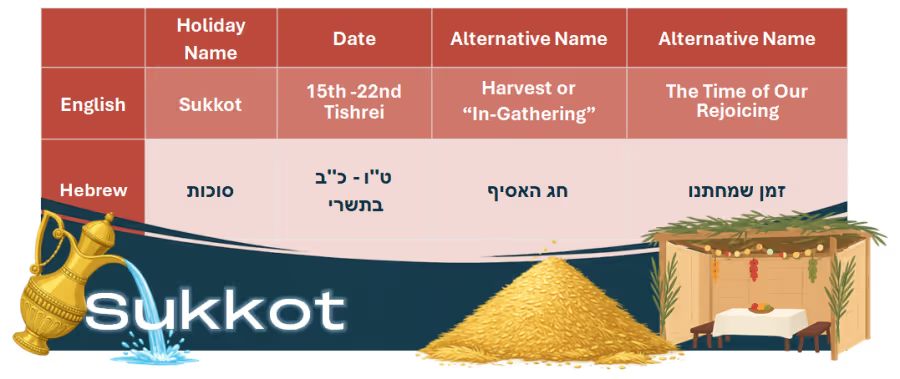
What is Sukkot
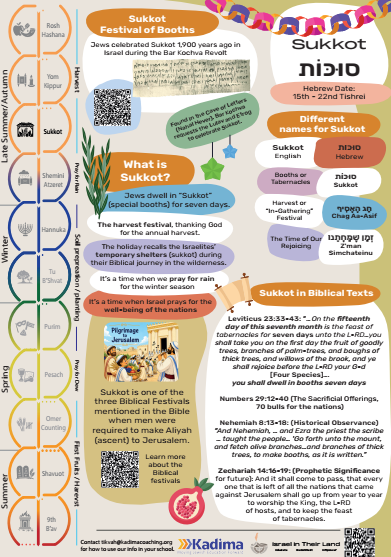
Jews dwell in “Sukkot” (special booths) for seven days.
The harvest festival, thanking God for the annual harvest.
It recalls the Israelites’ temporary shelters (sukkot) during their journey in the wilderness.
It’s a time when we pray for rain for the winter season
Israel prays for the well-being of the nations
Sukkot is one of the three Biblical Festivals mentioned in the Bible when men were required to make Aliyah (ascent) to Jerusalem. Learn more about the Biblical festivals
Sukkot in Biblical Texts:
• Leviticus 23:33-43: “… On the fifteenth day of this seventh month is the feast of tabernacles for seven days unto the L-RD…you shall take you on the first day the fruit of goodly trees, branches of palm-trees, and boughs of thick trees, and willows of the brook, and ye shall rejoice before the L-RD your G-d [Four Species]….you shall dwell in booths seven days
• Numbers 29:12-40 (The Sacrificial Offerings, 70 bulls for the nations)
• Nehemiah 8:13-18: (Historical Observance) “And Nehemiah, … and Ezra the priest the scribe … taught the people… 'Go forth unto the mount, and fetch olive branches…and branches of thick trees, to make booths, as it is written.'
• Zechariah 14:16-19: (Prophetic Significance for future): And it shall come to pass, that every one that is left of all the nations that came against Jerusalem shall go up from year to year to worship the King, the L-RD of hosts, and to keep the feast of tabernacles
Key Rituals:
Dwelling in a sukkah—a temporary booth—for meals and sometimes overnight.
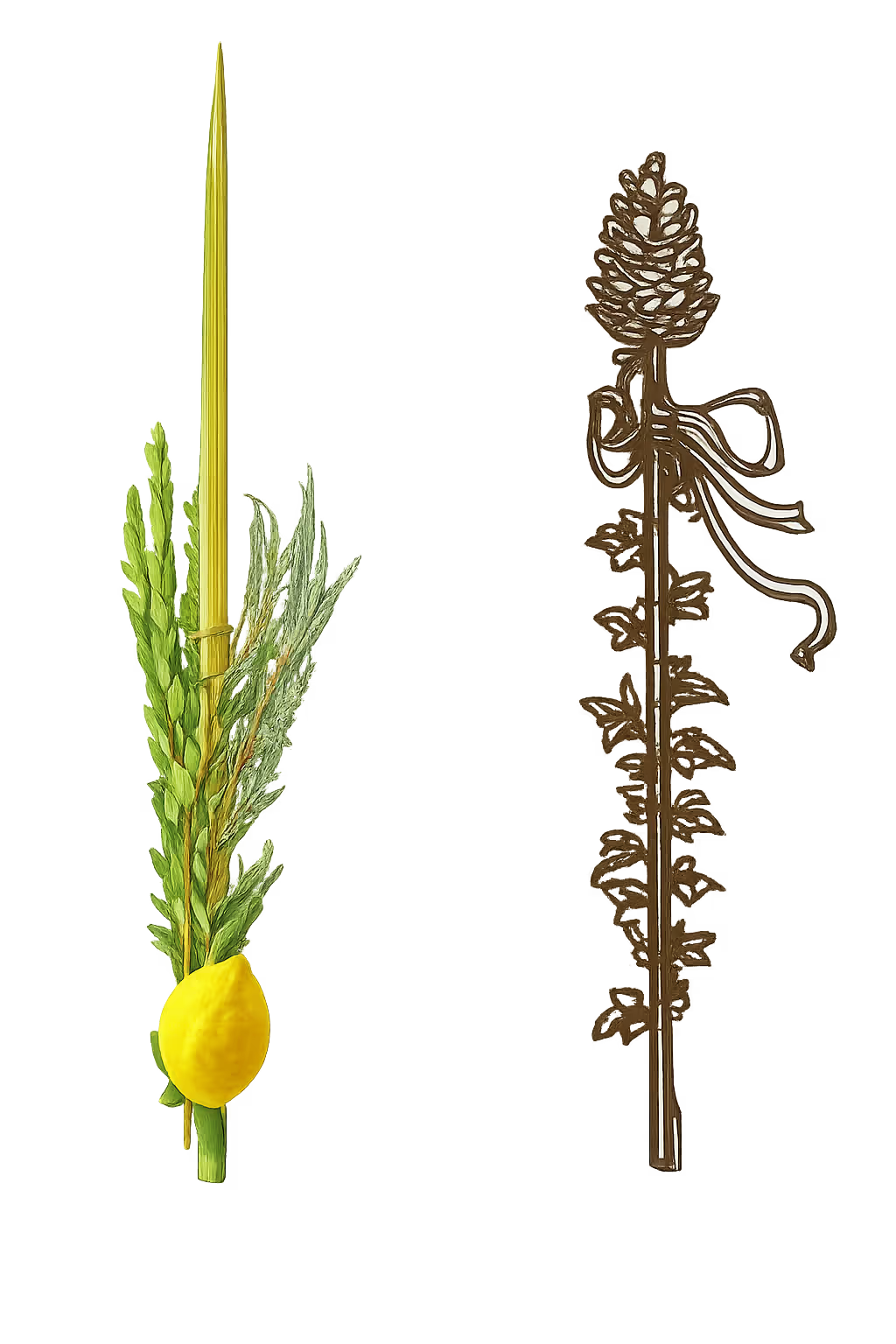
Four Species (Arba Minim): waving and carrying the lulav (palm), hadas (myrtle), aravah (willow), and etrog (citron) daily.
Hakafot (Circles): singing, dancing in circles - also encircling the Bimah in the synagogue or encircling the Altar in Temple Times, and rejoicing
On the last day of Sukkot, we start to pray for rain during the winter season.
Why Sukkot Matters:
Sukkot celebrates the harvest, reminding us to take account of our lives and know that our provision comes from G-d.
The Sukkah is by design “flimsy”, reminding us that G-d is our true protection, not bricks and stone.
The Four Species represent all of Israel (the simple, the learned, those helping others, those struggling), all unified as one.
The Hakafot and water libation are said to be the most joyous celebrations in ancient times, reminding us to increase our joy.
Israel offered 70 bulls (representing the 70 nations) to pray for the welfare of the nations.
Sukkot in Ancient Israel:
In the Temple:
o Daily additional offerings including 70 bulls over 7 days on behalf on the nations
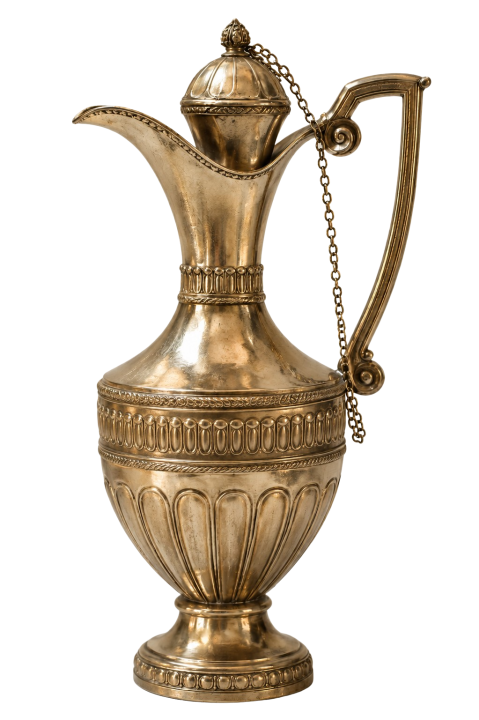
o Water Libation: water was carried from the Gihon spring by the priests and poured on the altar together with the daily continual wine libation. It was accompanied with great joyous celebration
o The new wheat offering (switching from barley) was brought in the Temple
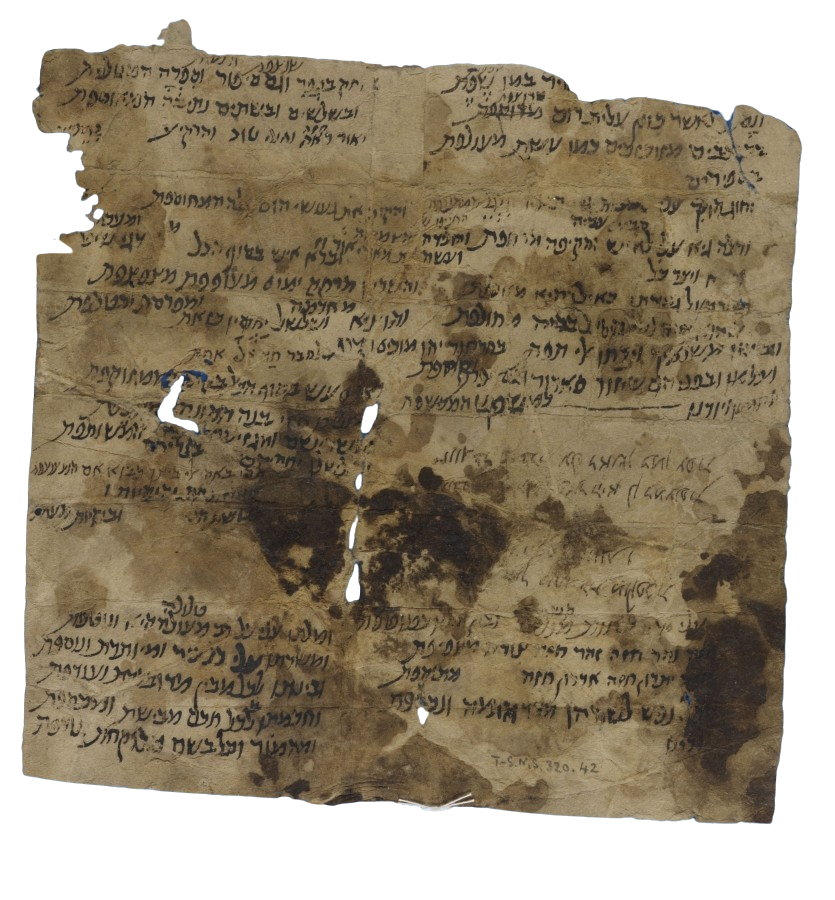
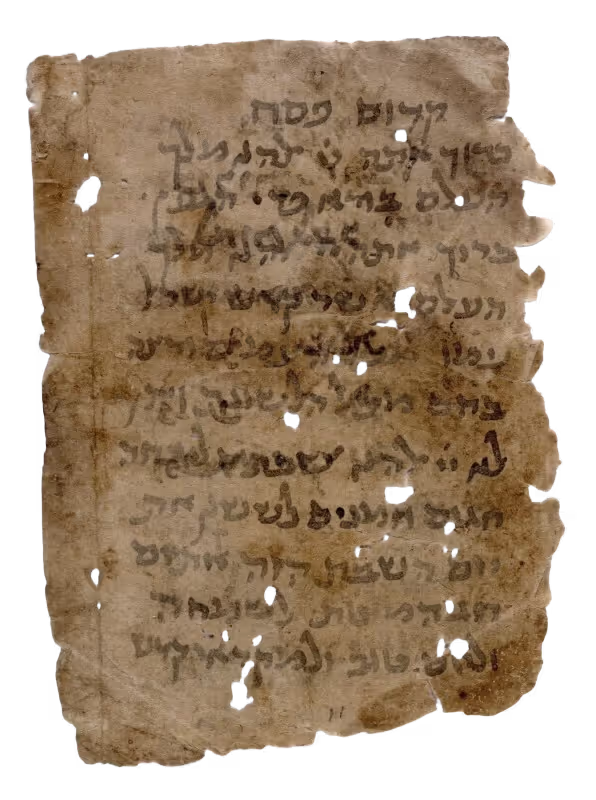
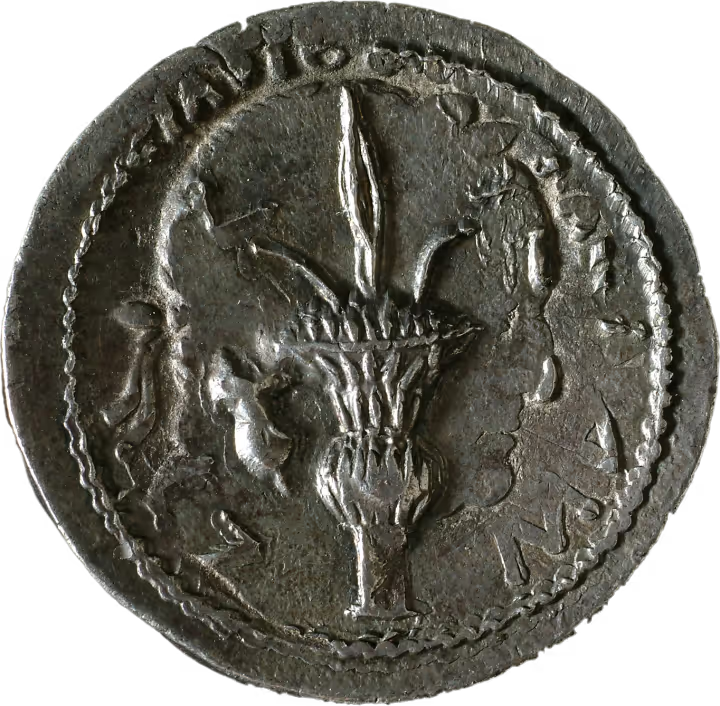
• Jews celebrated Sukkot 1,890 years ago in Israel during Bar Kochva Revolt. READ MORE
• Romans record Sukkot Celebrations in Jerusalem 1,980 years ago. READ MORE
• Rehov Synagogue mosaic records Sukkot and other festivals 1526 years ago. READ MORE
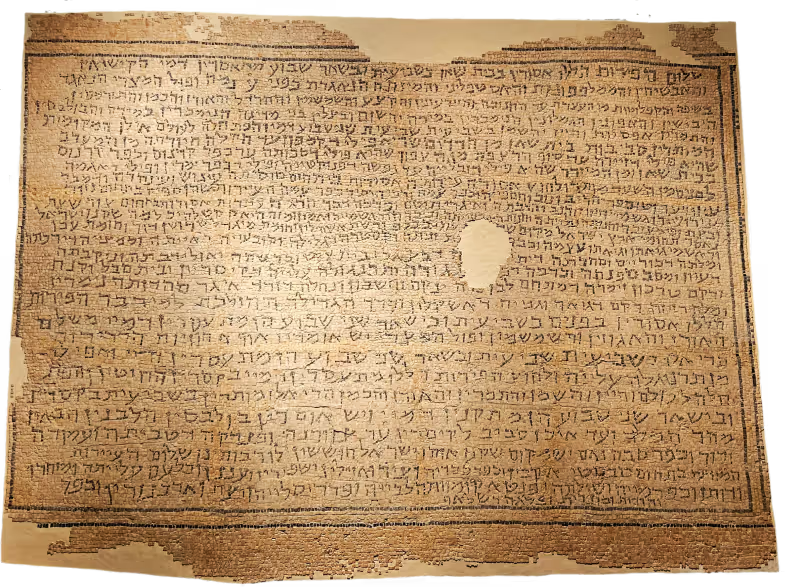
· Ancient manuscript mentioning Hoshana Raba (7th day of Sukkot) on the Mount of Olives, 1029 CE (1,000 years ago). READ MORE
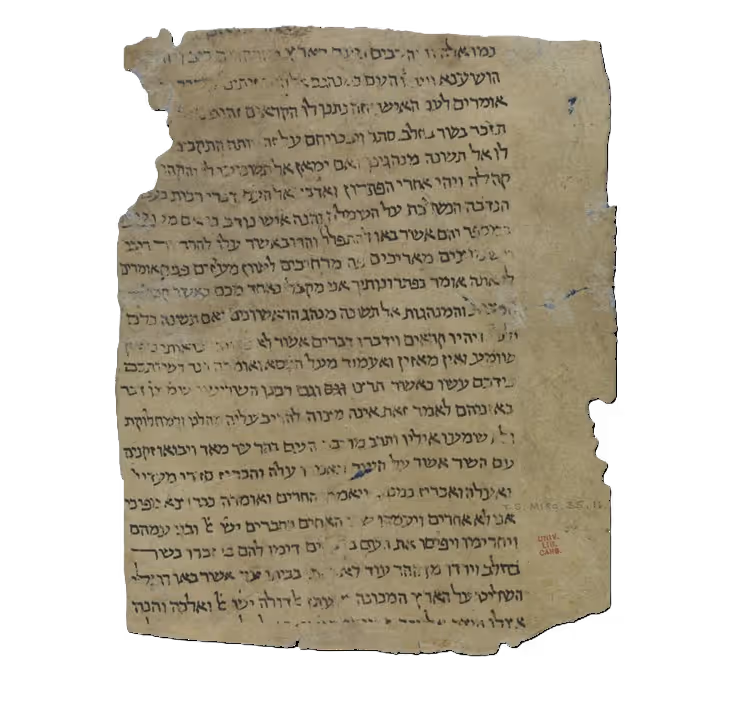
· Daily Events in Jerusalem during the Month of Tishrei, including Sukkot,1045 CE under early-Muslim rule. READ MORE