Suleiman the Magnificent Rebuilds the Walls of the Old City
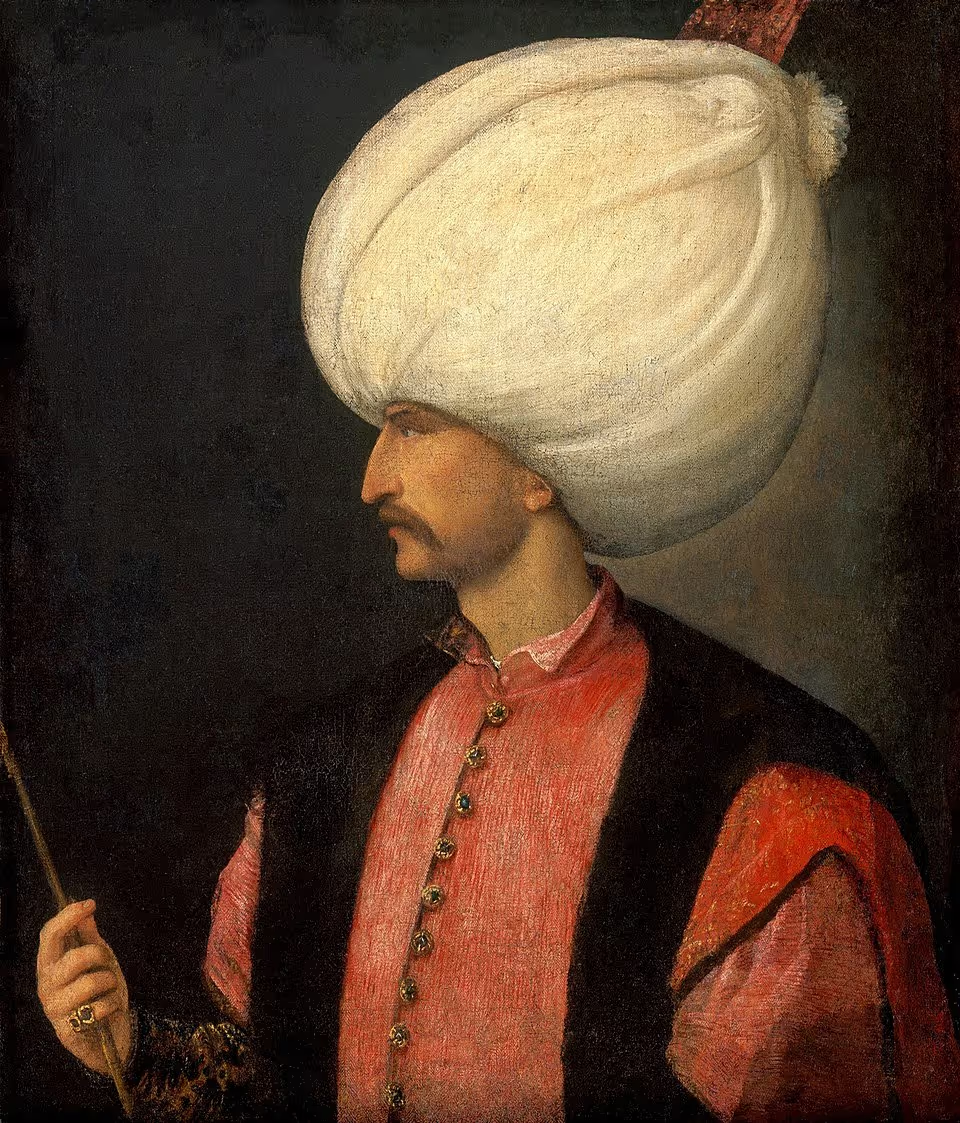
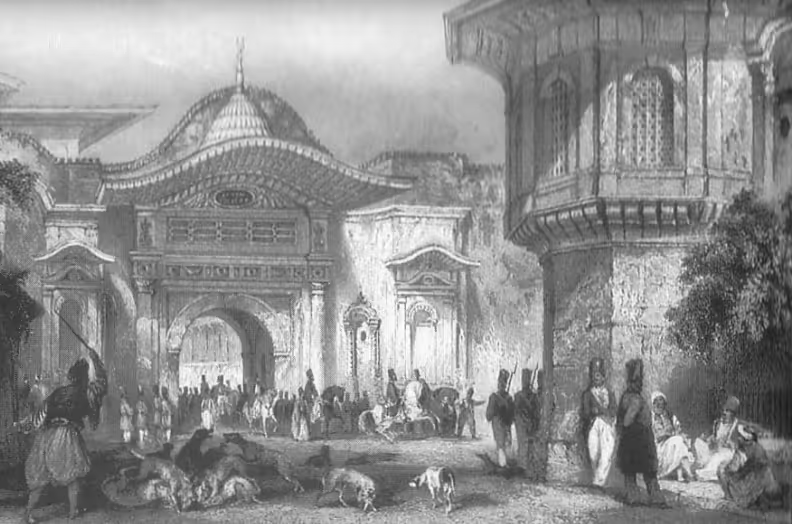
According to legend, Sultan Suleiman had a terrifying dream in which two enormous lions appeared and threatened to devour him.
The lions conveyed a message that he was being punished for neglecting to protect Jerusalem, the holy city.
Deeply shaken, Suleiman consulted his scholars, who advised him that Jerusalem was exposed and vulnerable and that it was his duty to fortify and protect the largely open city.
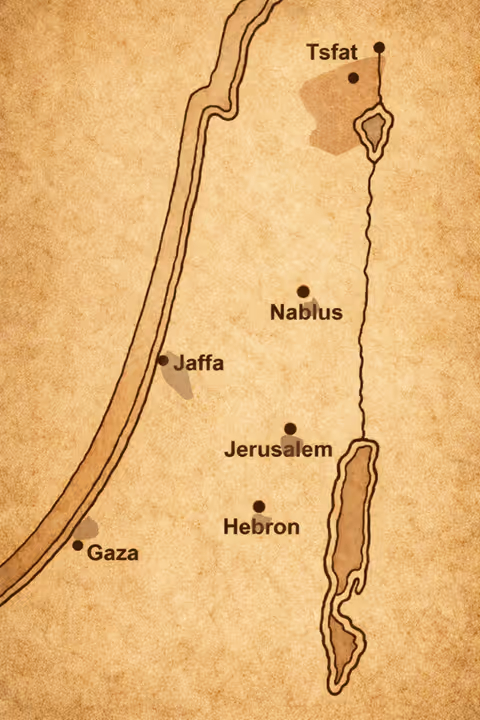
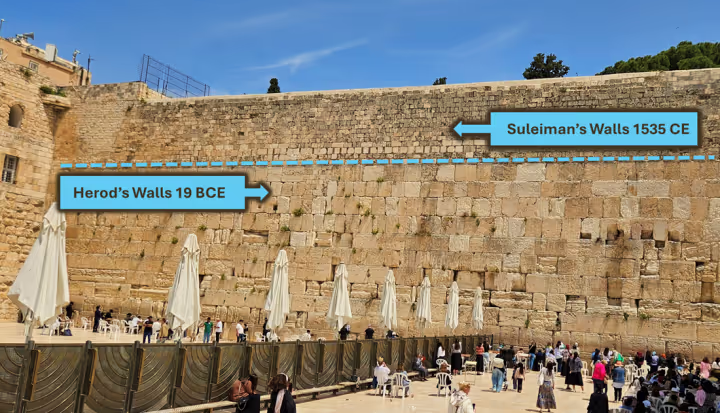
The project began in 1537, and though remnants of earlier eras were incorporated, Suleiman’s walls were primarily based on a practical defensive perimeter, shaped by the terrain and population centers of his time. The walls are just under 500 years old. Ironically, the City of David, ancient Biblical Jerusalem, with earlier Canaanite fortifications dating back about 4,000 years, located on the southern hill, was excluded from Suleiman’s plan.
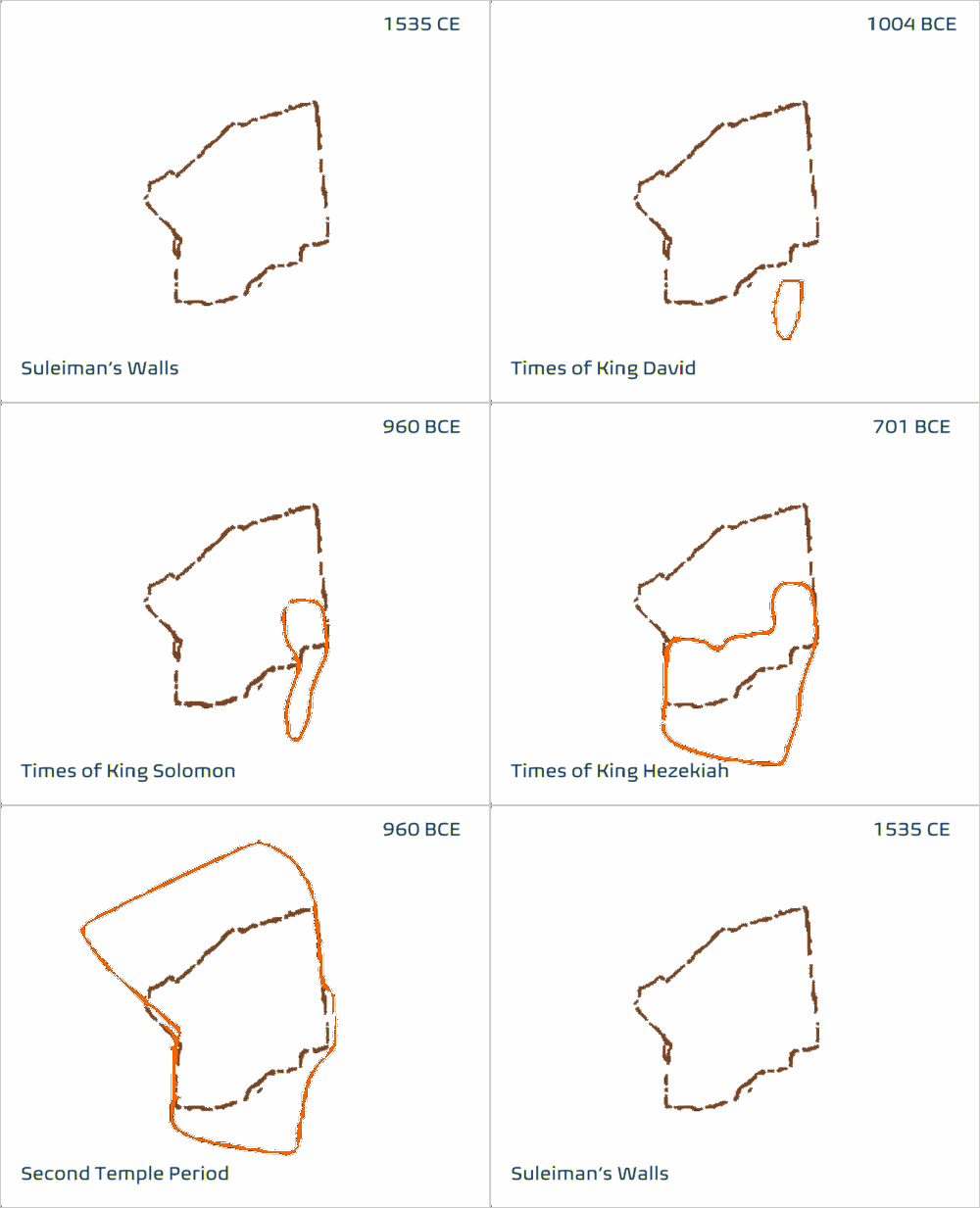
Suleiman’s walls (brown) in comparison with Ancient Jerusalem’s borders over centuries. GIF: AnaRina Kreisman
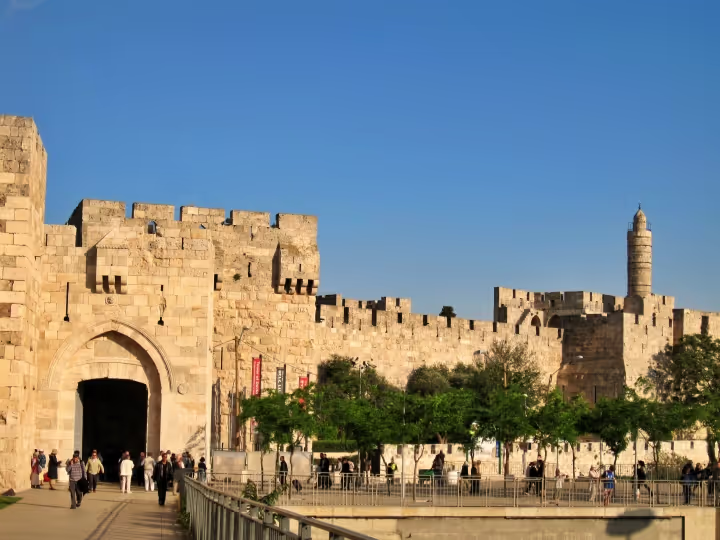
Jaffa Gate
Yoninah, CC BY-SA 3.0 <https://creativecommons.org/licenses/by-sa/3.0>, via Wikimedia Commons
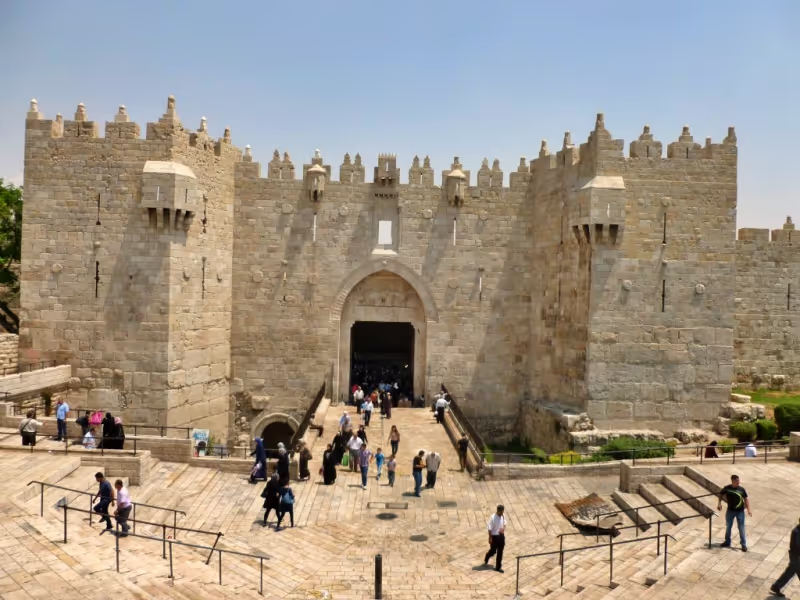
Damascus Gate
Praisethelorne, CC BY-SA 3.0 <https://creativecommons.org/licenses/by-sa/3.0>, via Wikimedia Commons
Overview
Suleiman’s walls were primarily a practical defensive perimeter, influenced by the terrain and population centers of his time. The walls are just under 500 years old, whereas the earlier Canaanite fortifications found in the City of David (ancient Jerusalem) date back about 4,000 years.
In the Bible

Life lessons

Humor

Advocacy

Fun fact

Antisimetism